Niles Bolton
Client
Nashville, TN
Location
1911
Year Built
55,000
Square Feet
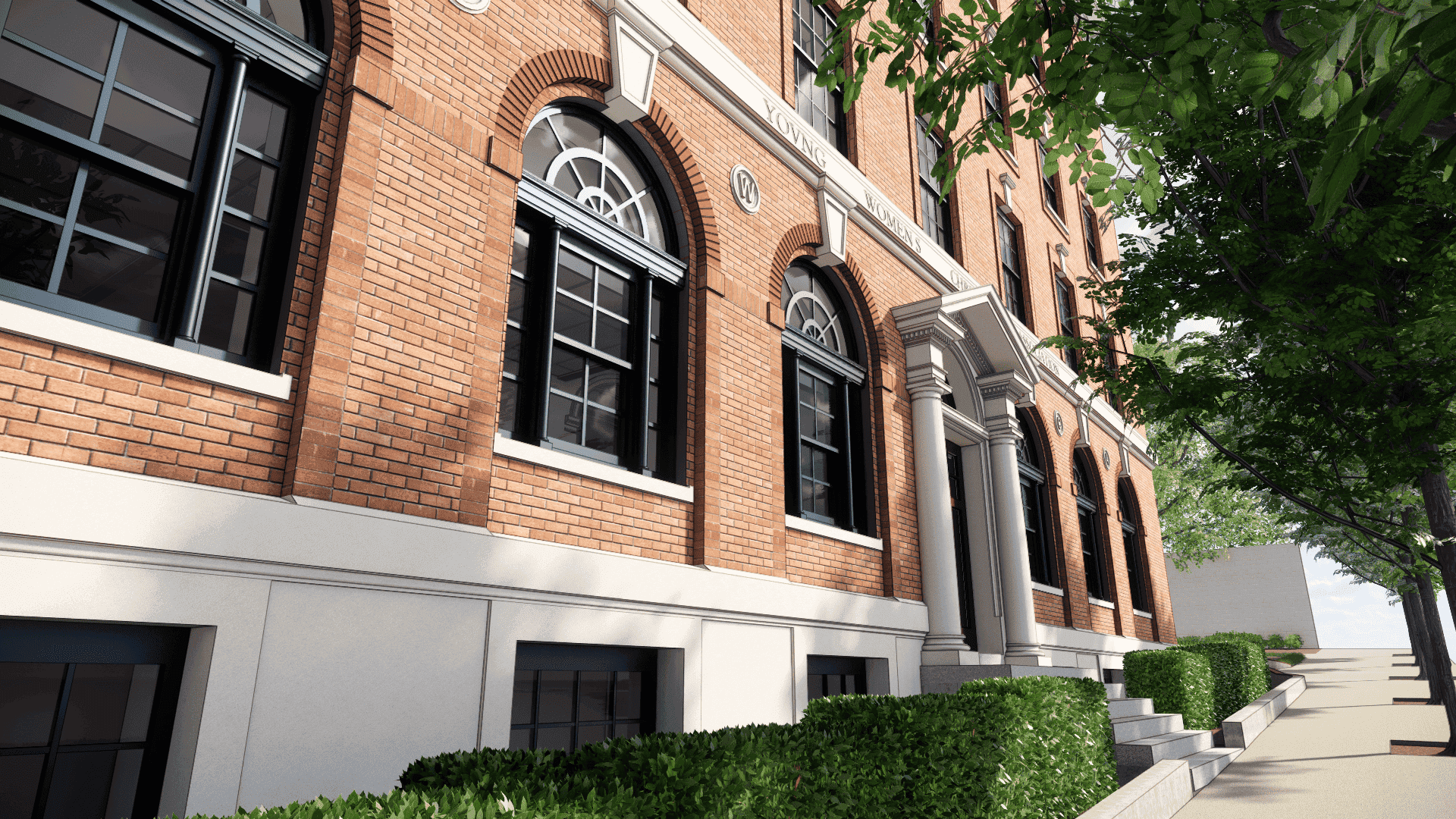
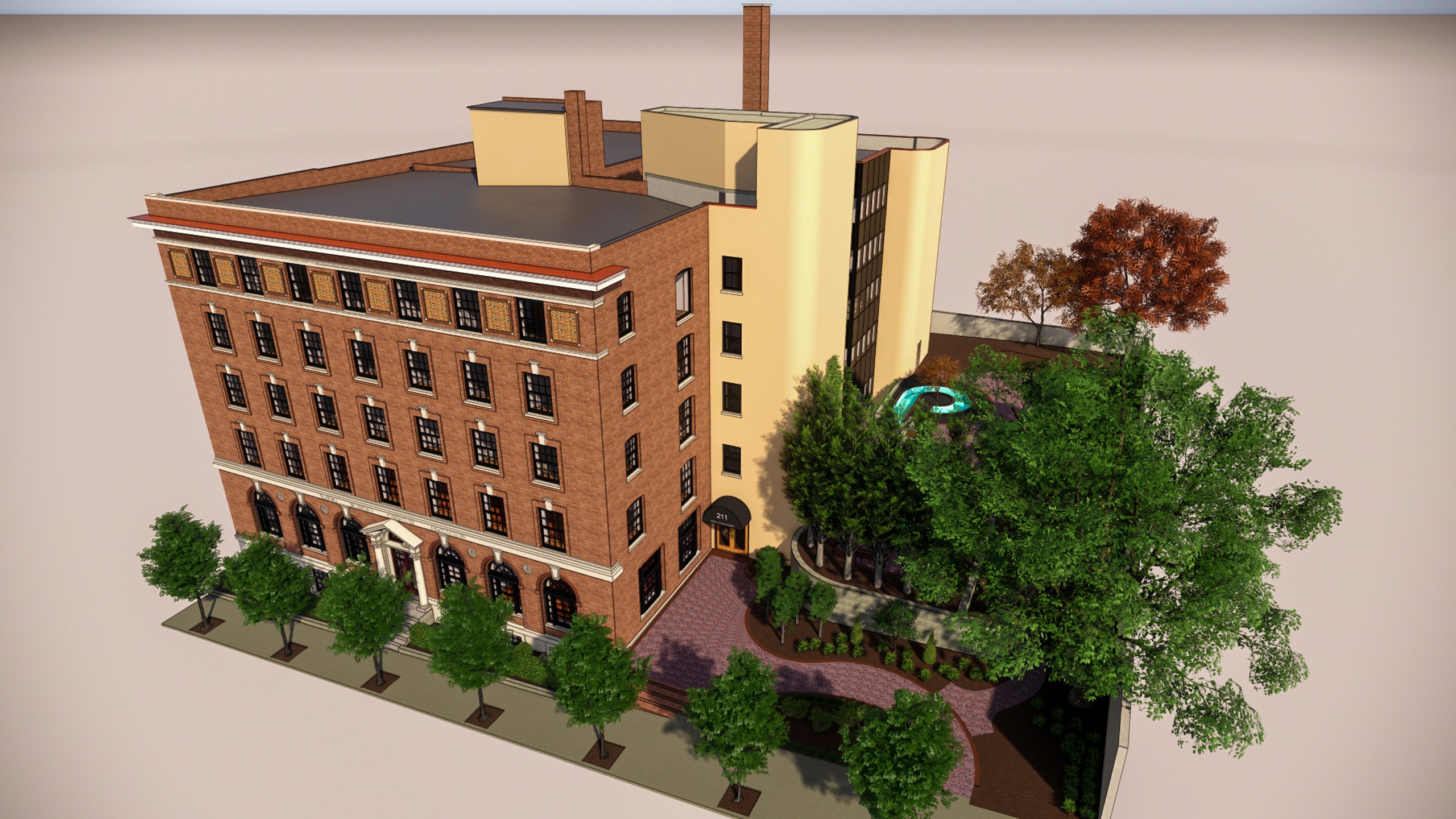
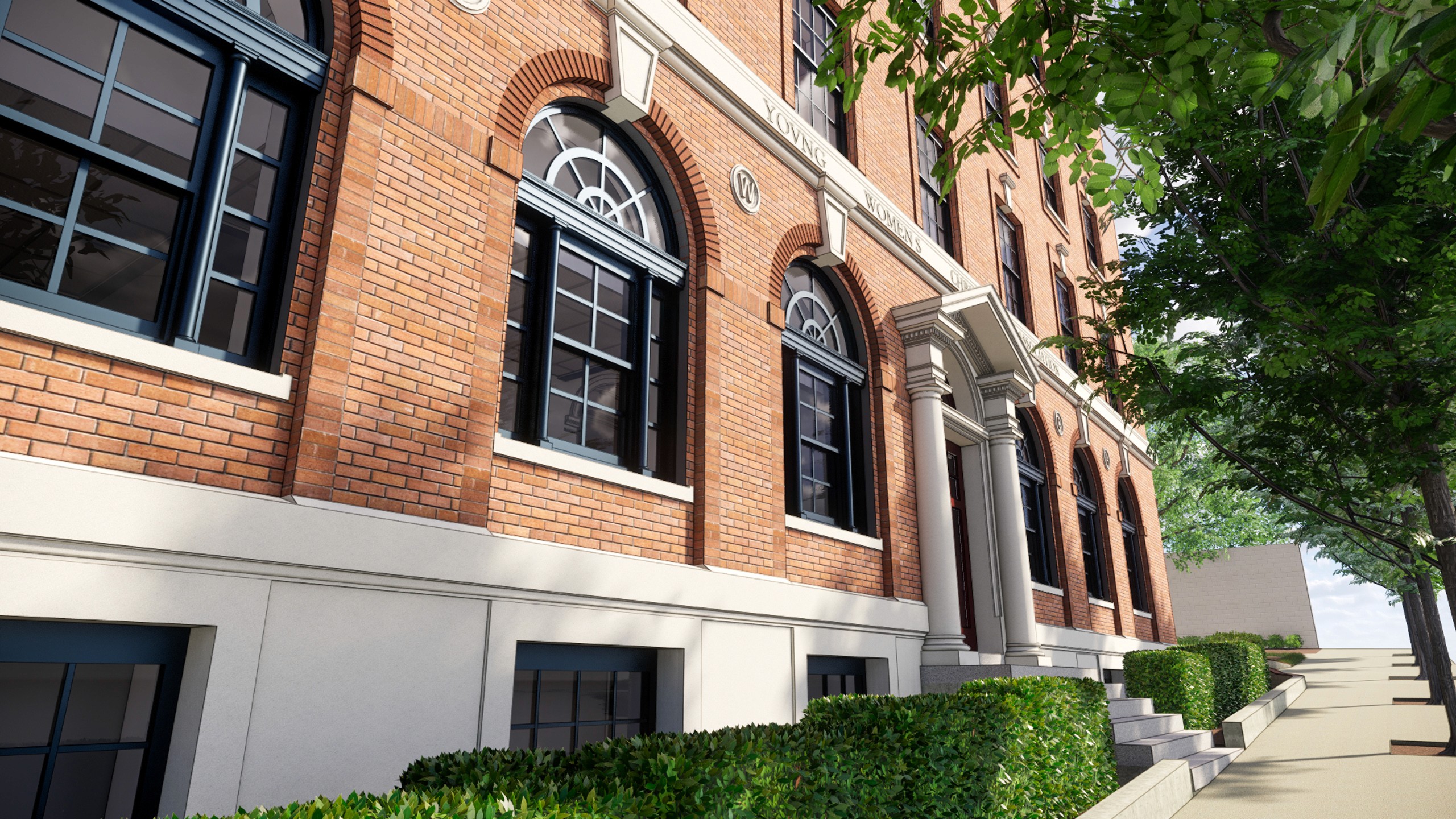
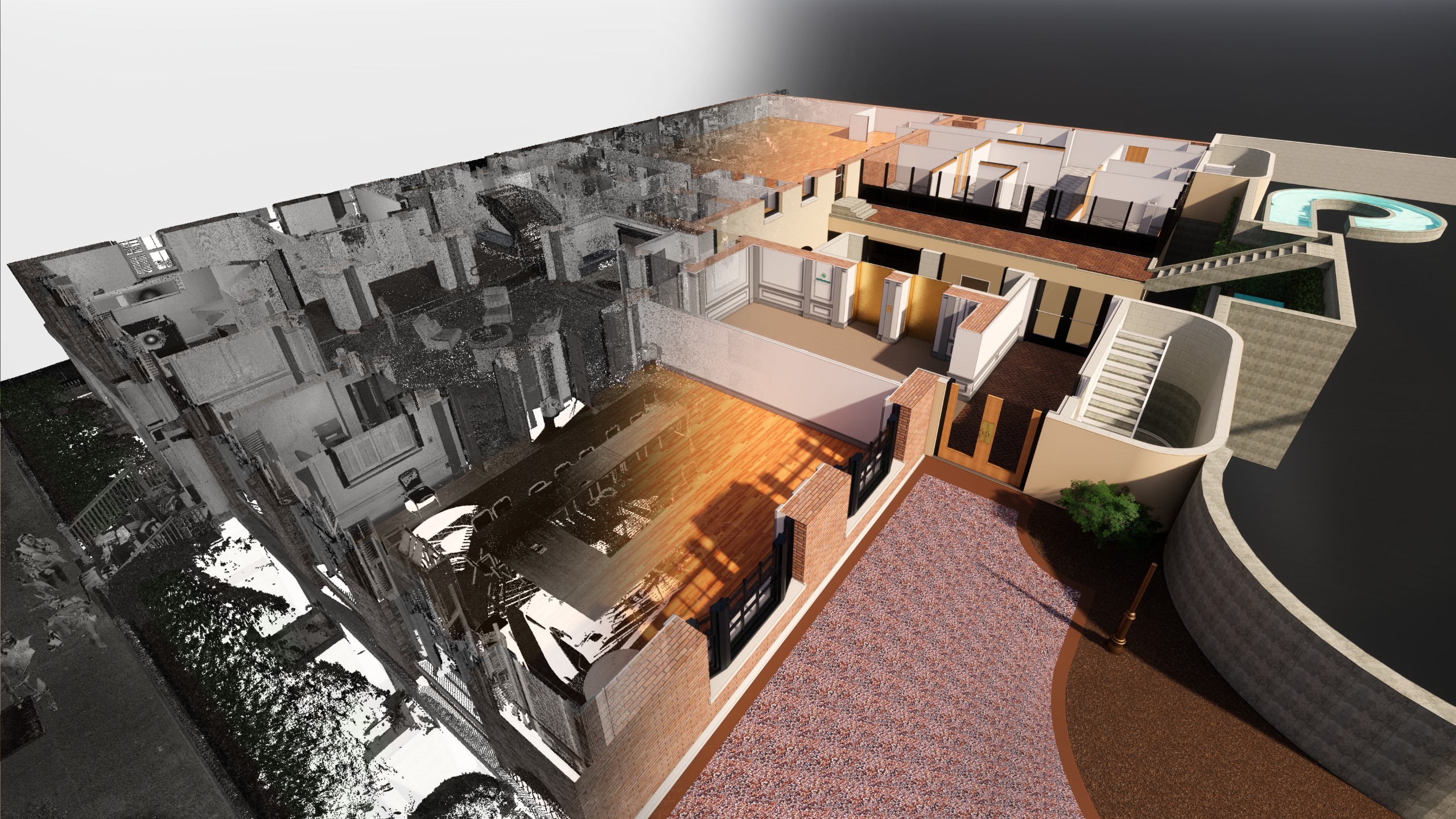
The design team had an active renovation underway, incomplete record drawings, and a 55,000-square-foot National Register building with a hybrid structural system no one had accurately documented. Originally built in 1911 as Nashville's YWCA and the last surviving Christian athletic building of its era in the city, the Davis G. Stone Building was undergoing conversion from commercial office space into high-end residential. Niles Bolton Associates hired RC Monkeys to deliver laser scanning and a Revit as-built model that could keep pace with the design schedule. RC Monkeys delivered a design-integrated as-built model at LOD 300, giving the architect usable existing conditions information within one week of modeling kickoff.
[ SERVICES ]
Laser Scanning
Revit Modeling
[ delivered value ]
Preliminary as-built information within one week of project kickoff
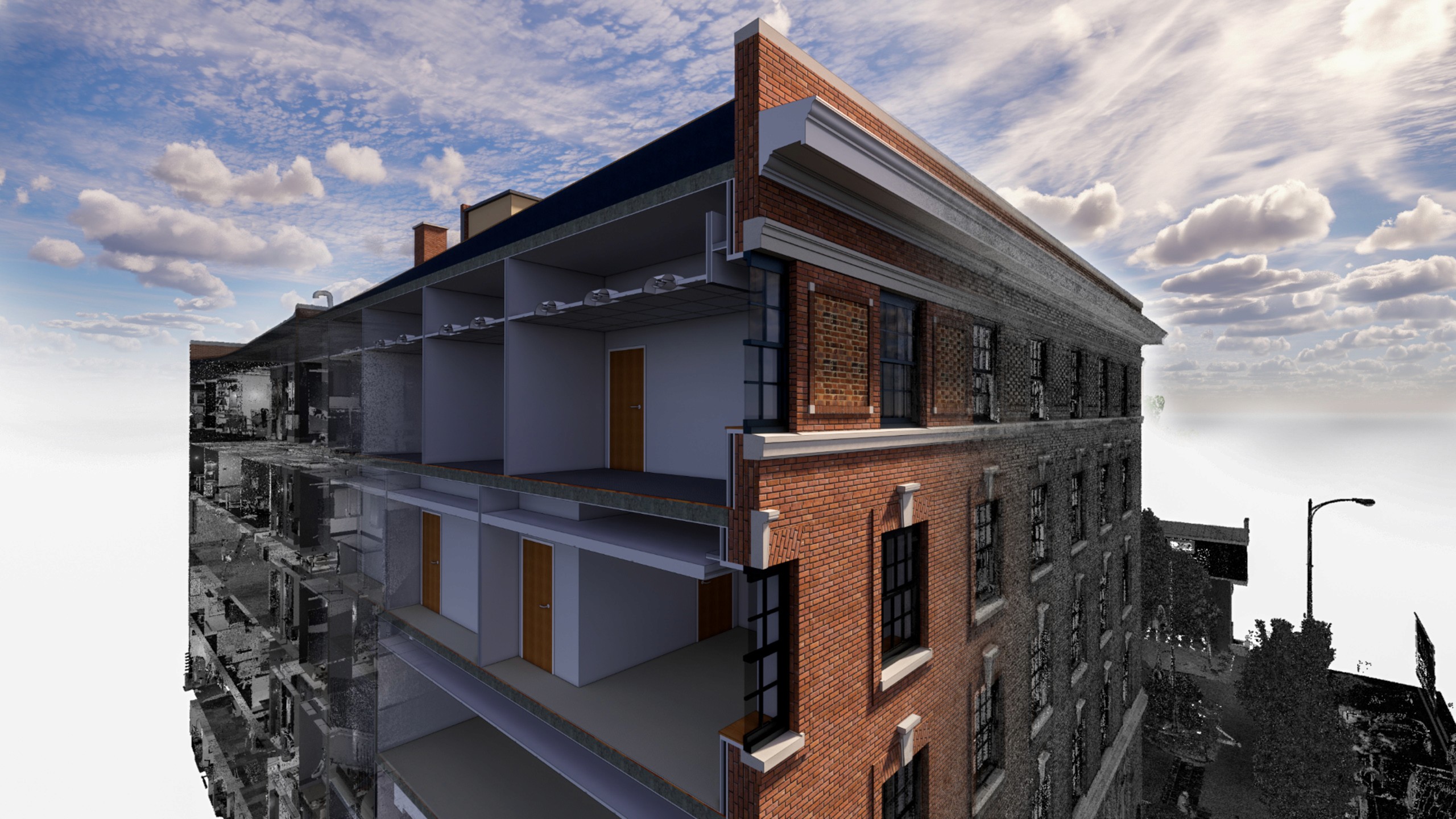
90% of the building modeled at LOD 300, supporting the demolition set
Seamless integration with the architect's active design workflow via BIM360
Reduced dependence on assumptions from incomplete record drawings
[ challenge ]
The building's steel, concrete, terracotta, and masonry structural system, combined with a highly decorated interior and main façade, made conventional documentation methods both impractical and unreliable. Without reliable record drawings, the design team was working from assumptions. The renovation scope required design-ready as-built documentation, but the building was still occupied, meaning capture had to minimize tenant disruption. With design already underway, any delay in delivering existing conditions information risked costly rework. Additionally, the deliverables had to integrate seamlessly with the architect's active workflow.
[ SOLUTION ]
The complexity of the structural system and the pace of the design schedule required documentation that worked alongside the architect.
RC Monkeys used terrestrial laser scanning to capture the built environment with accuracy while limiting disruption to tenants. Rather than delivering a finished model at the end, our team worked alongside the architect using a cloud-hosted solution, prioritizing the information needed most. Within one week of starting modeling, preliminary as-builts were in the architect's hands, informing design decisions.
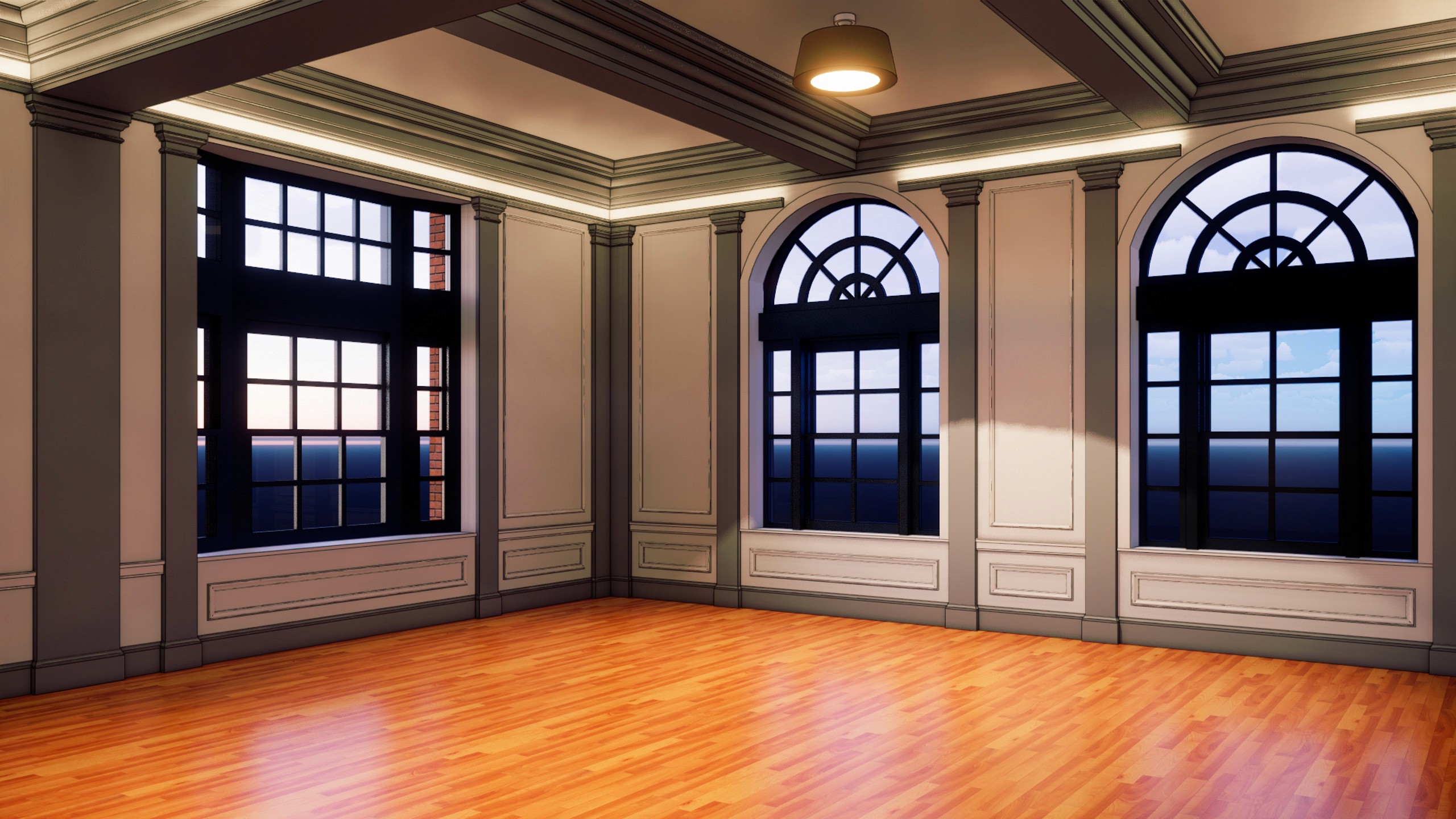
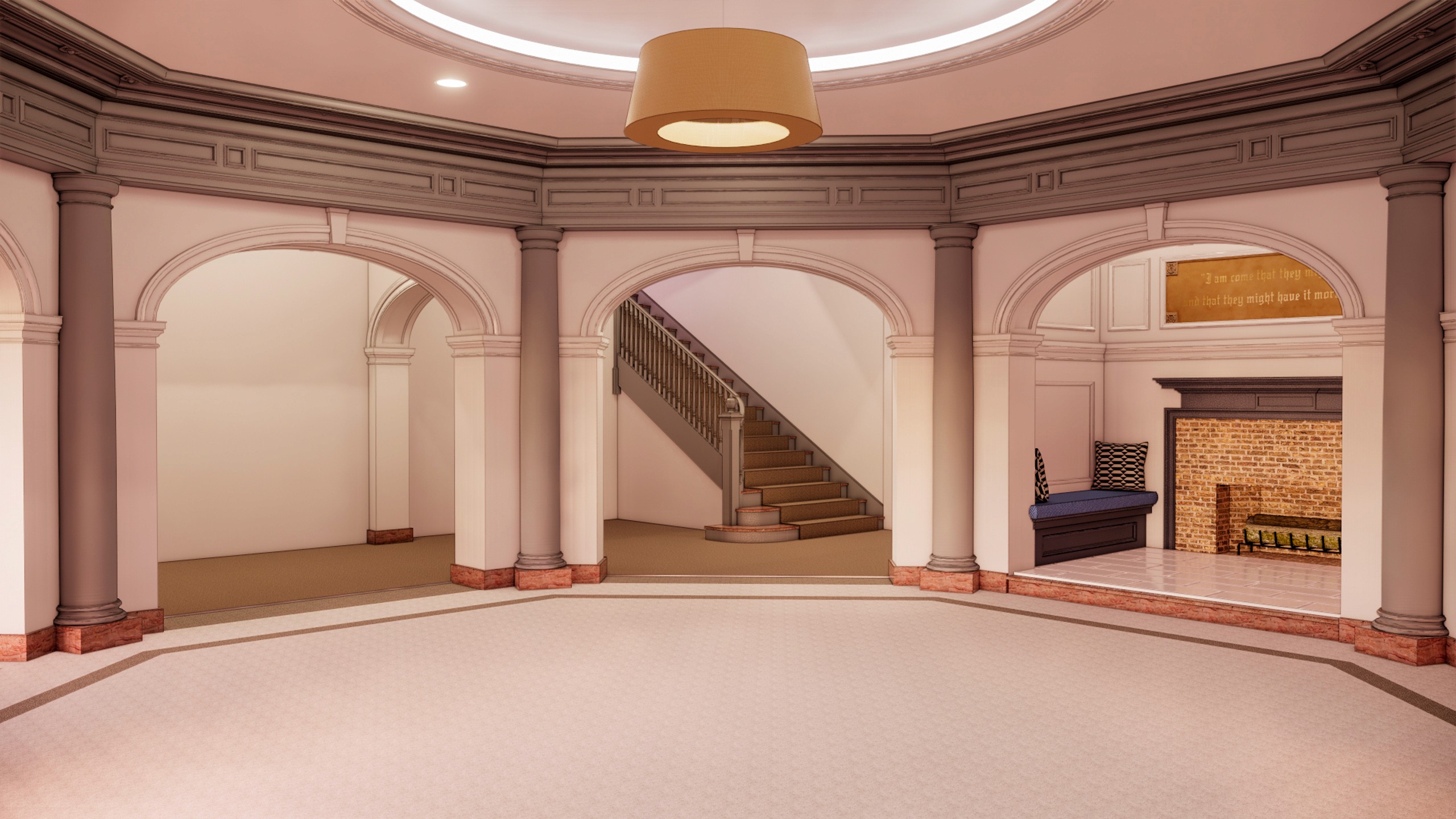
The level of detail for each building component matched what the design actually needed. Walls were modeled to allow demolition of existing finishes without affecting the underlying masonry. Every modeling decision, assumption, and field observation was documented in the model itself. End users could select any flagged element and read the team's notes directly in the property panel.
Approximately 90% of the building was documented at LOD 300, despite the absence of record drawings.
Next