CROFT
Client
Marietta, GA
Location
1836
Year Built
2,500
Square Feet
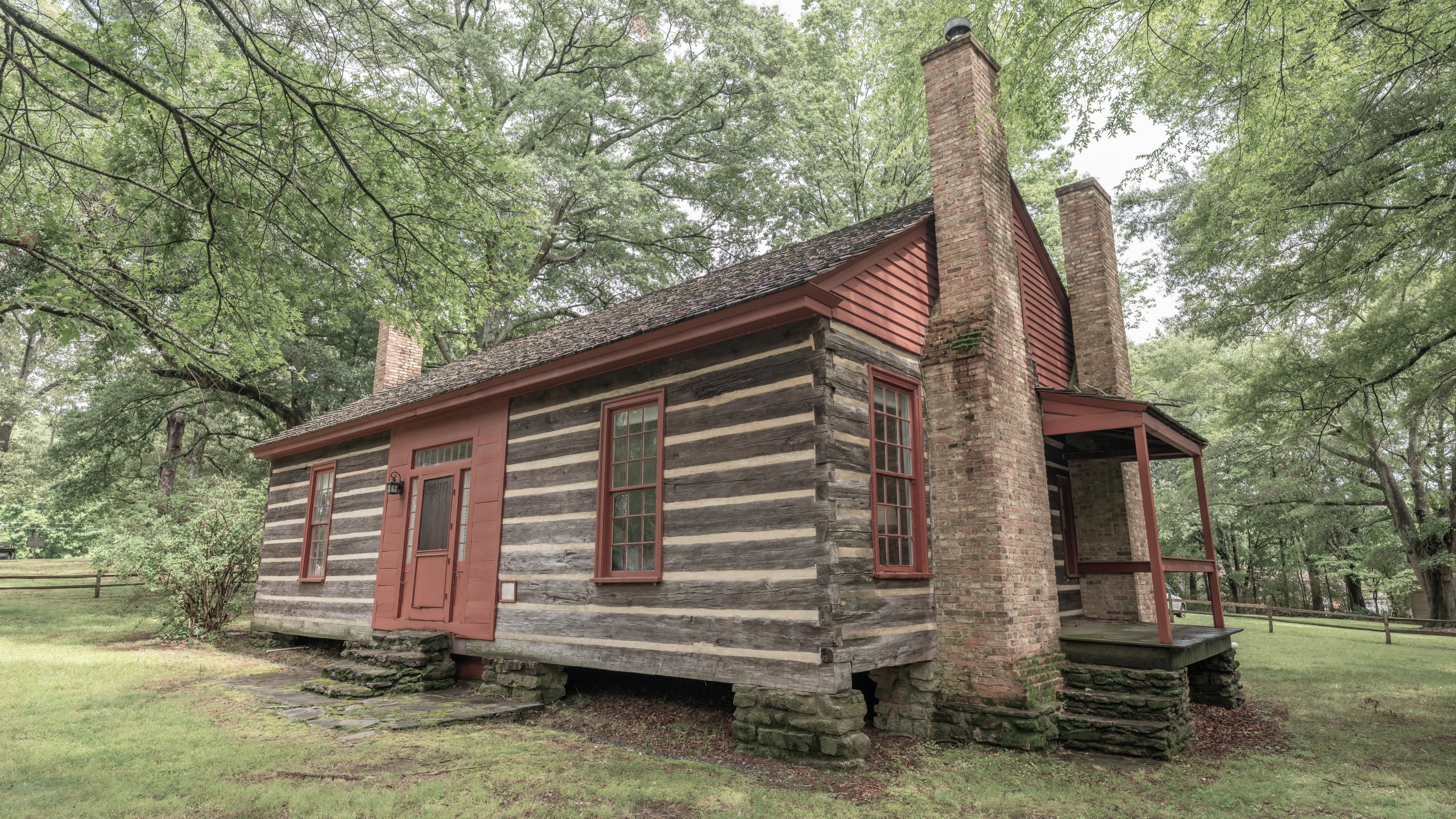
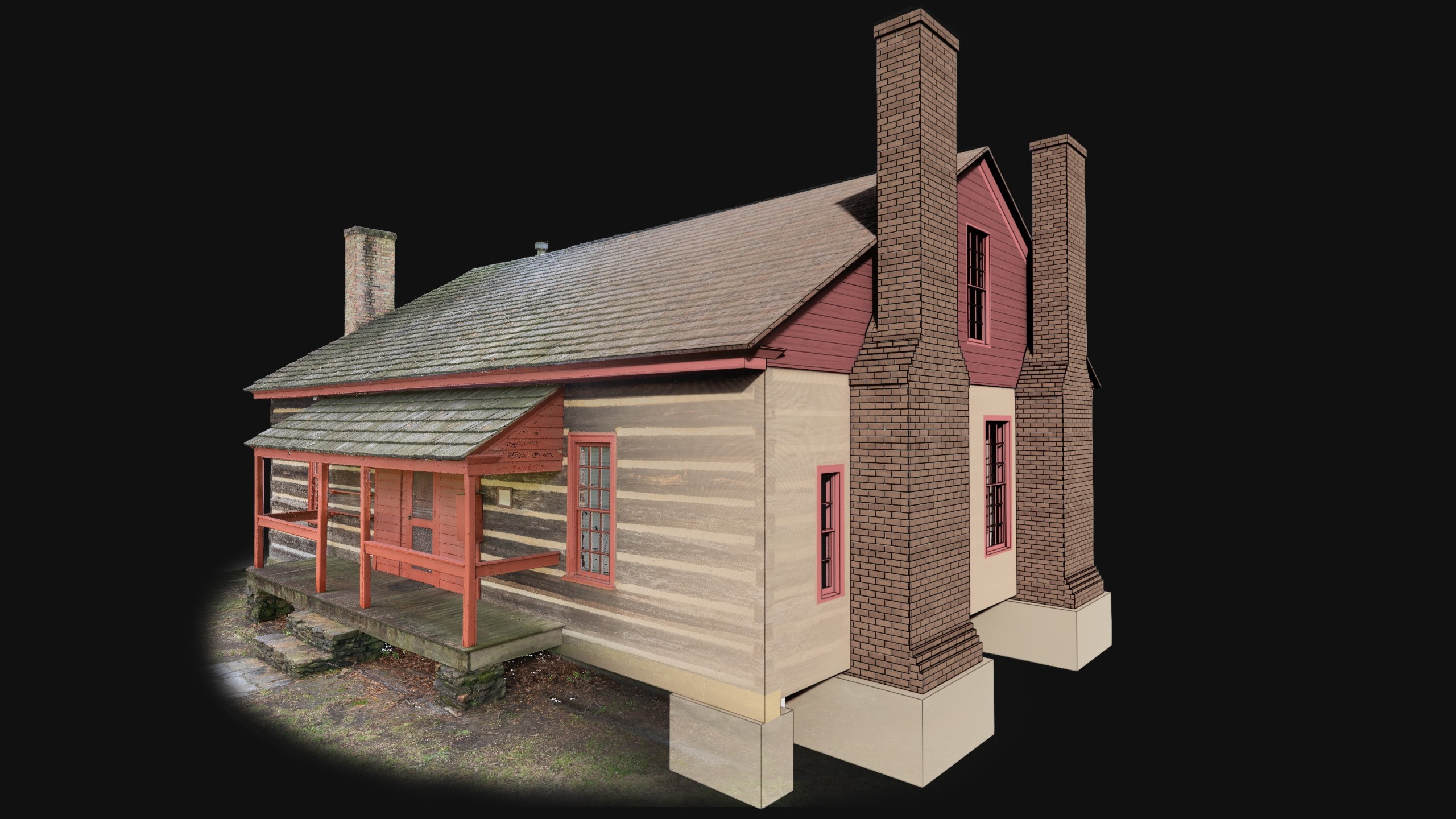
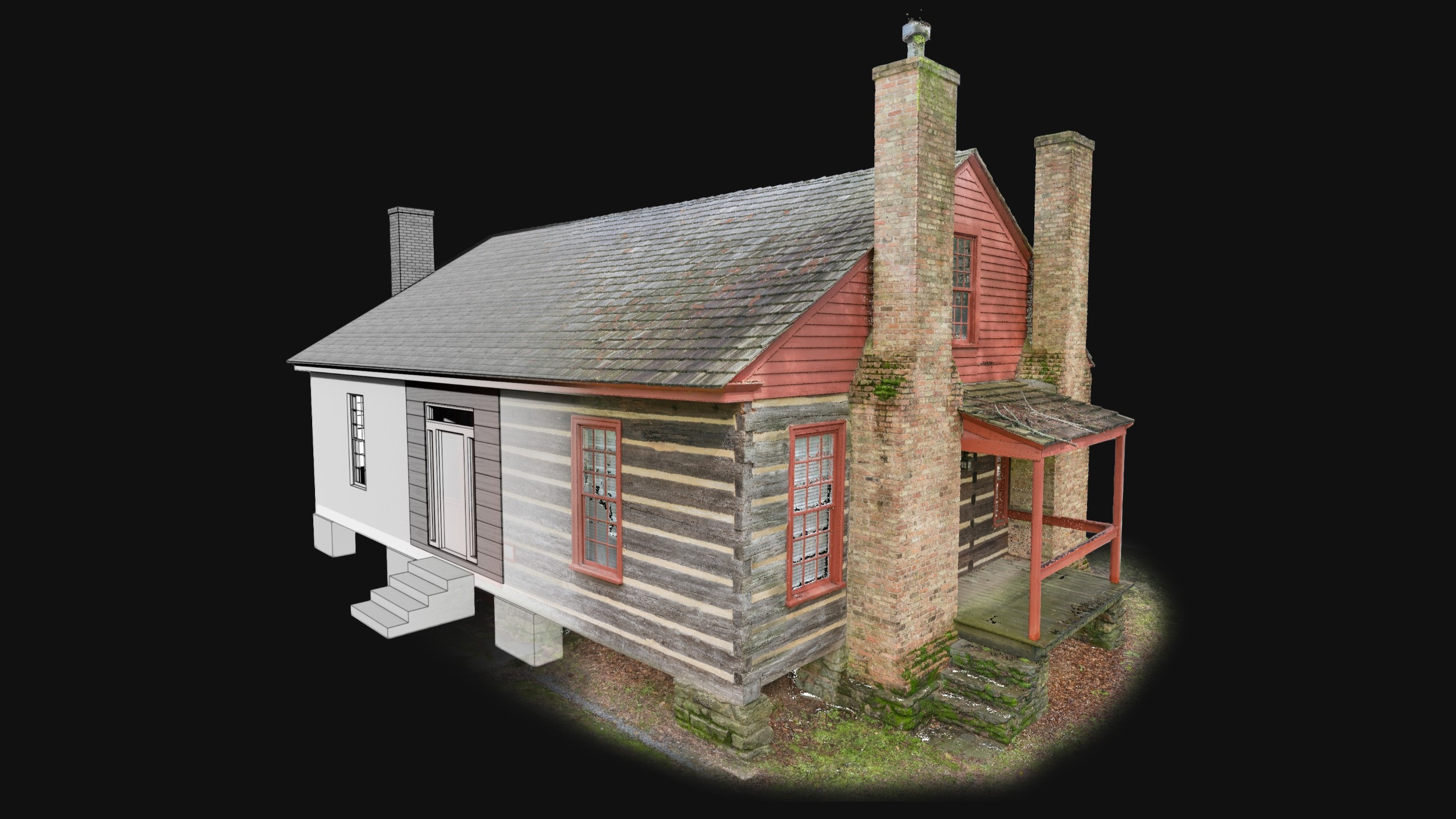
The Kolb Farmhouse survived the Battle of Kolb's Farm in 1864, serving as a Union headquarters and field hospital during Sherman's Atlanta Campaign. More than 160 years later, it remains one of the few original structures at Kennesaw Mountain National Battlefield Park. When NPS identified a project to install fire suppression and protect the farmhouse for the long term, CROFT, serving as architect and project manager, hired RC Monkeys to deliver the existing conditions documentation the design effort required.
[ SERVICES ]
Laser Scanning
3D Virtual Tour
Photogrammetry
Revit Modeling
[ delivered value ]
Next-day remote site access via virtual tour
Design-ready model for fire suppression routing and coordination
As-built model distinguishing historic fabric from modern construction
Measured accuracy exceeding specification (±1/8" achieved vs. ±3/8" required)
10 days from capture to completed documentation package
[ challenge ]
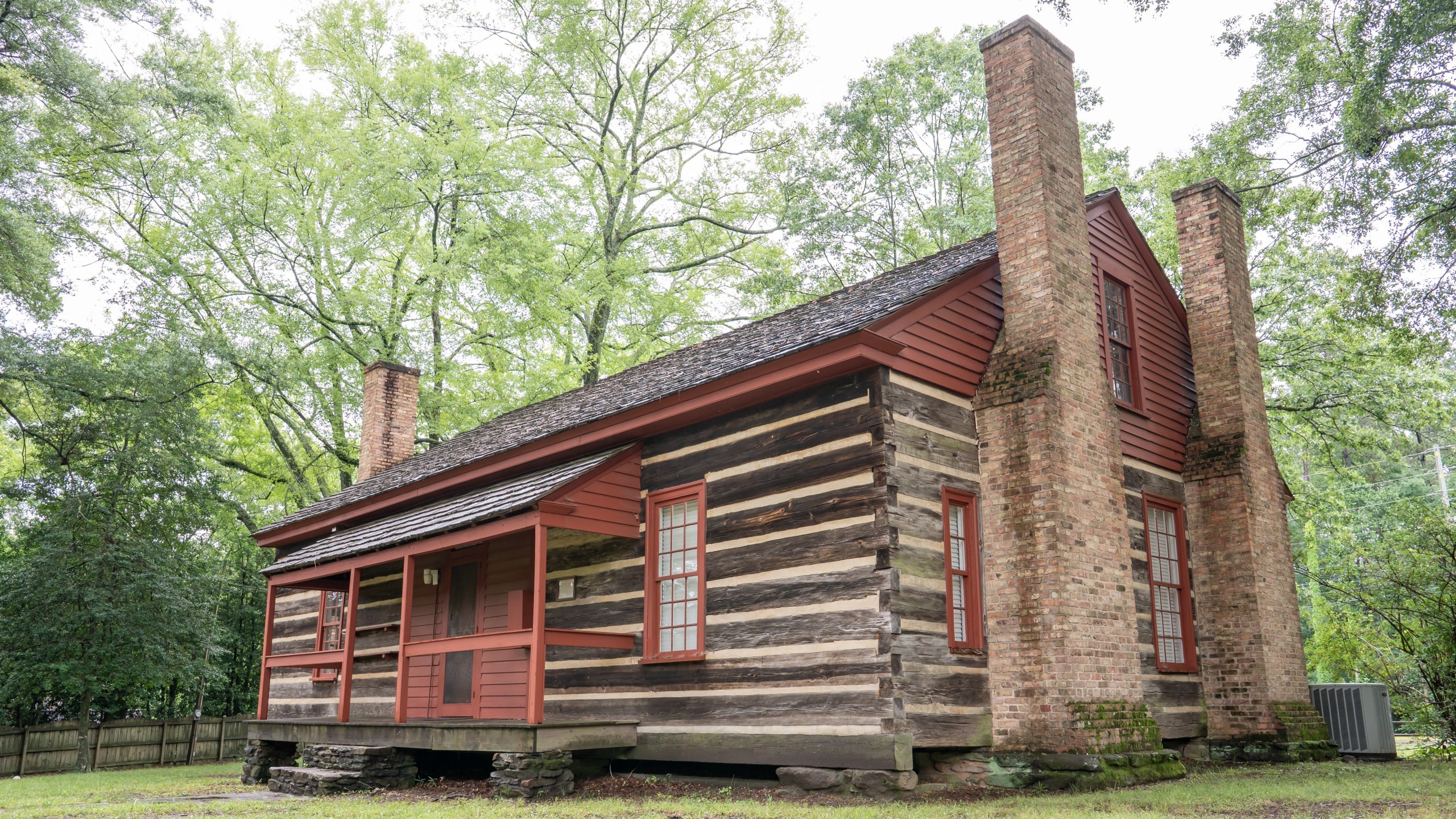
No record drawings of the Kolb Farmhouse existed. The 2,800 SF structure, including its attic, had never been formally documented, leaving the design team with no dimensional reference for routing, placement, or coordination of the fire suppression system. Before any design work could begin, CROFT and the fire protection engineers needed a complete and accurate as-built set.
[ SOLUTION ]
With no records to start from, our team built the entire existing conditions package from the ground up.
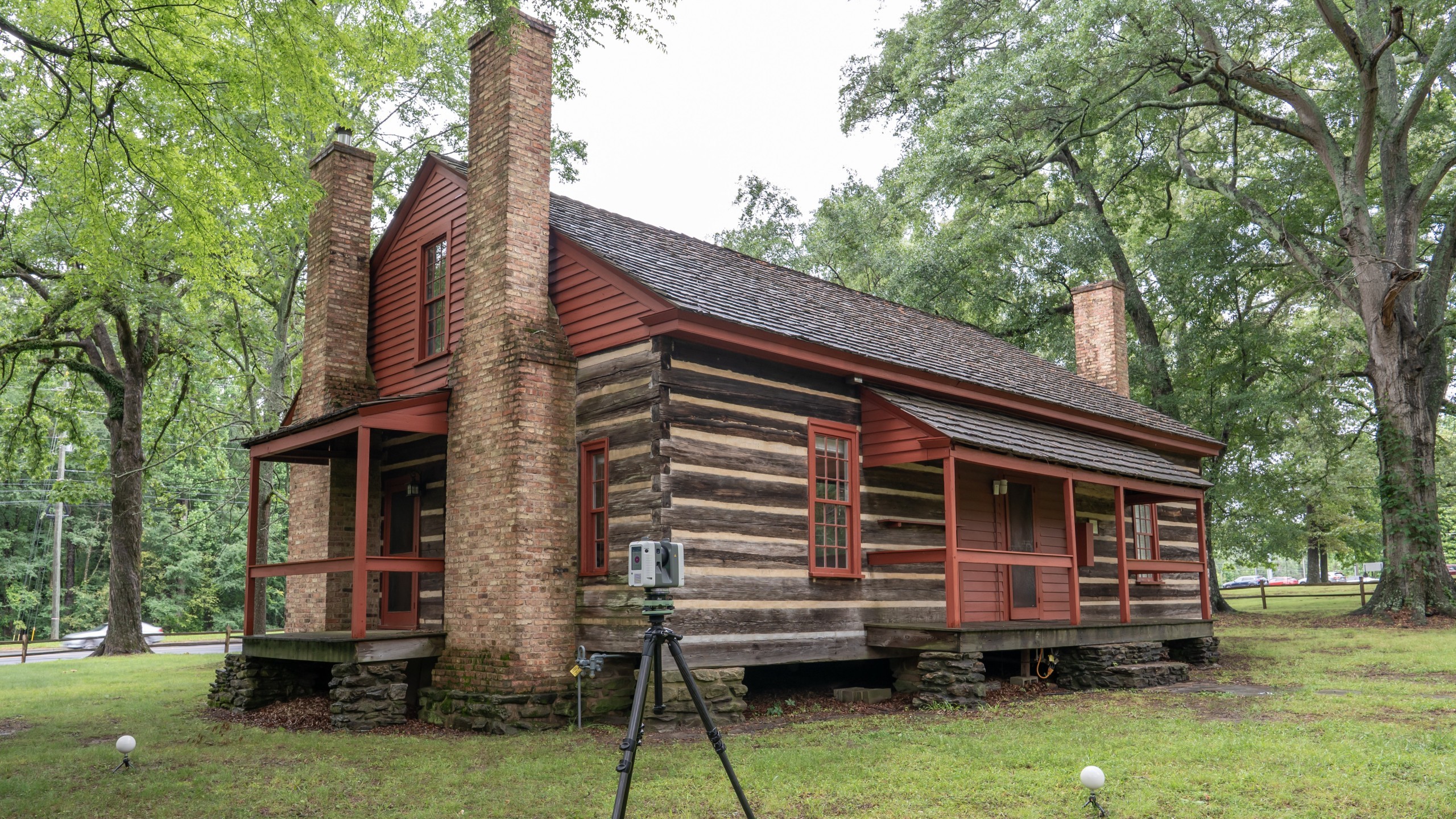
Laser scanning captured every interior space, including the attic and the underside of the floor framing, establishing the dimensional baseline needed for fire suppression routing and placement decisions. A 3D virtual tour with detailed photography, delivered the next day after capture, gave CROFT and the fire protection engineers immediate remote access to assess conditions and begin coordination.
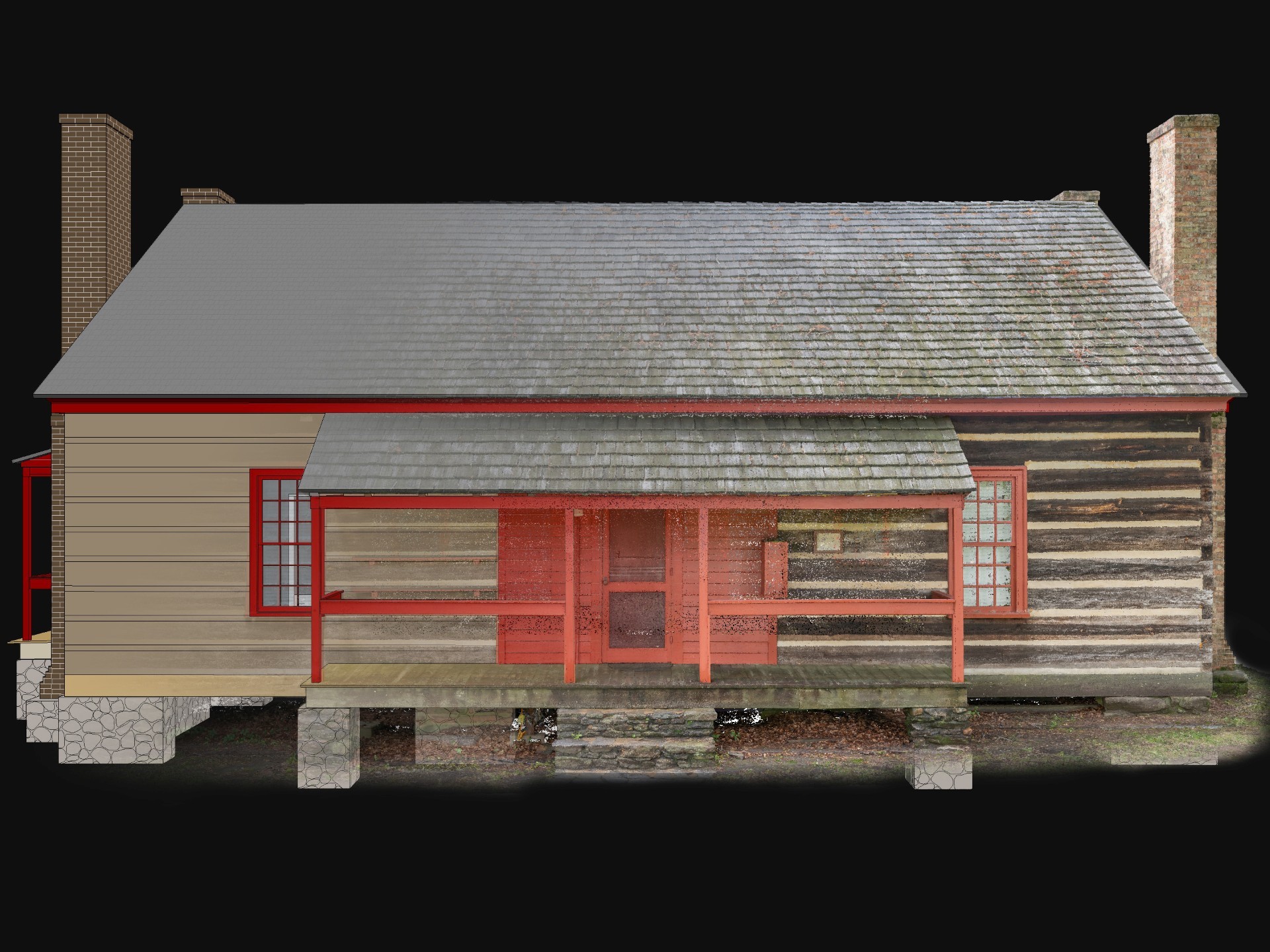
Exterior photogrammetry extended coverage to the building envelope where scanning had limited line of sight.
During fieldwork, our team carefully inspected the structure to distinguish historic fabric from modern construction materials. Field notes, laser scanning data, and visual documentation were then used to model each building component as closely as possible to field conditions, producing an as-built Revit model that served as the foundation for design, planning, and coordination across the full project team.
The laser scanning and photogrammetry outputs achieved a measured accuracy of ±1/8", exceeding the specified ±3/8". The as-built model met a represented level of accuracy of ±5/8".
The full documentation package was delivered in 10 days, including capture, processing, and modeling.
Explore the photogrammetry model
Next