Page | Stantec
Client
Atlanta, GA
Location
1889
Year Built
270,000
Square Feet
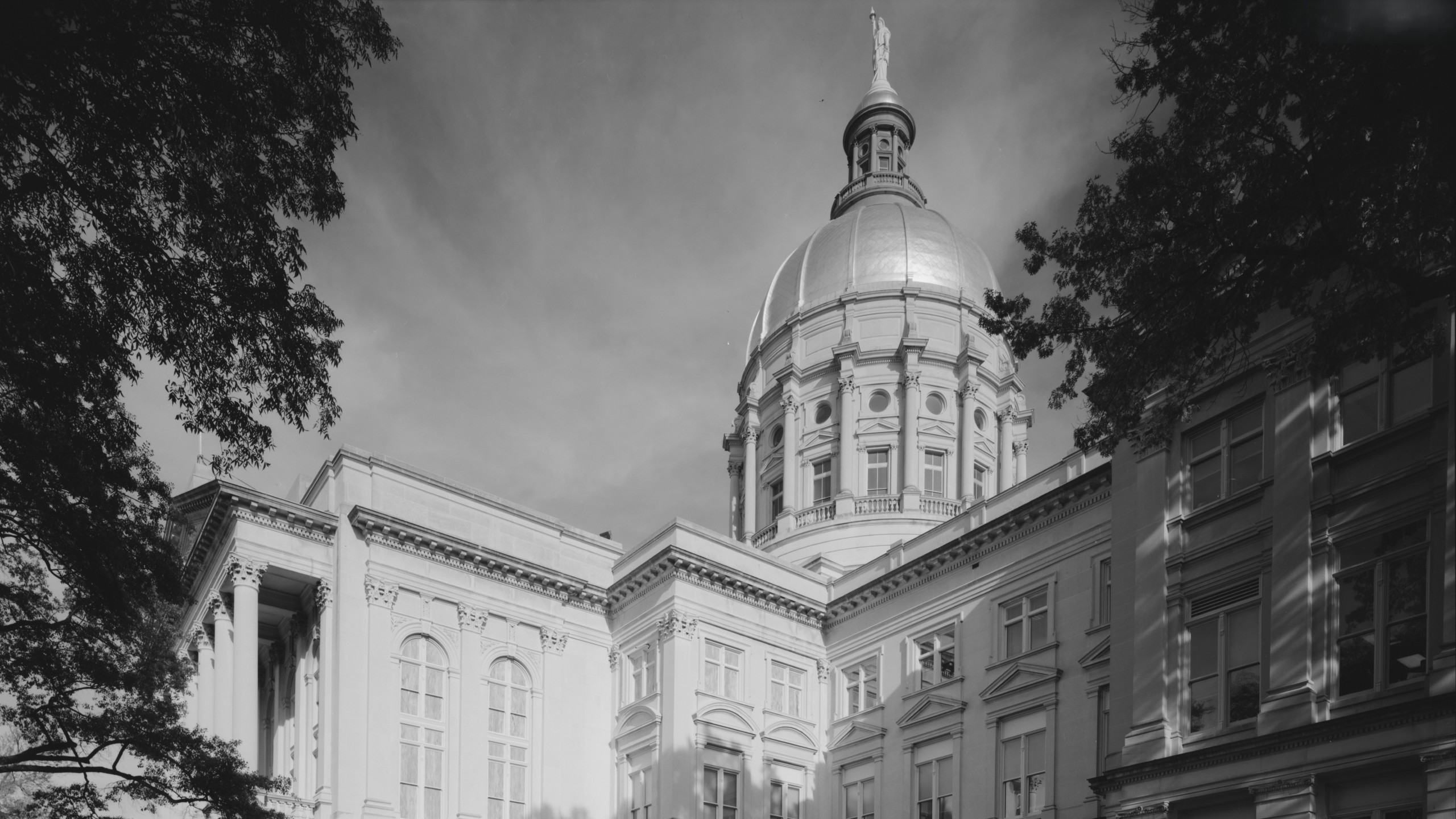
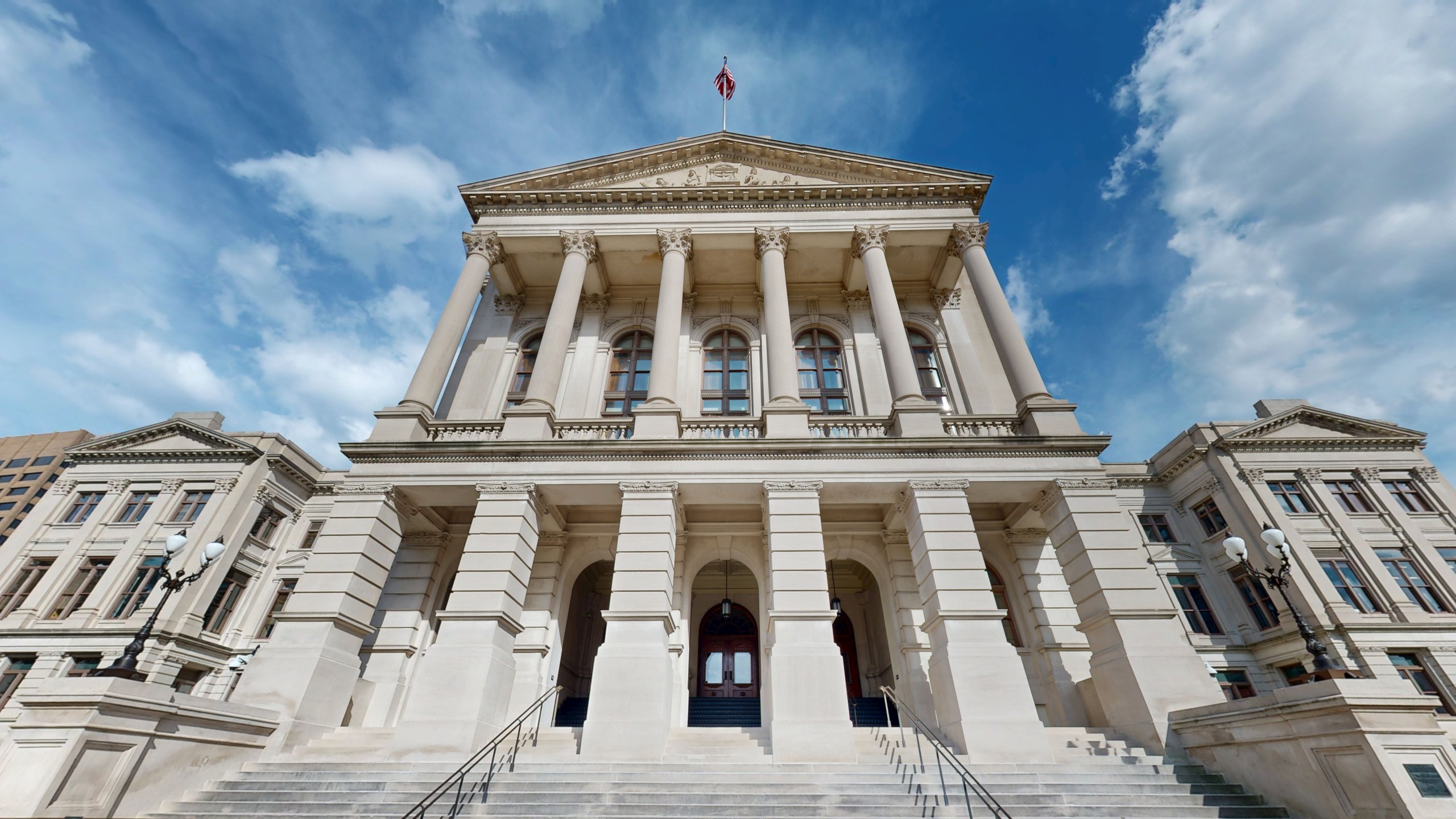
The original drawings and specifications for the Georgia State Capitol were destroyed in a fire more than a century ago. When Page | Stantec took on a major renovation of the 1889 National Historic Landmark, the only available reference was a 1990s HABS set that lacked the completeness and dimensional reliability the design team needed. RC Monkeys delivered laser scanning, photogrammetry, a 3D virtual tour, and an as-built Revit model. The result replaced decades of uncertainty with a verified baseline for one of the most complex historic buildings in the state.
[ SERVICES ]
Laser Scanning
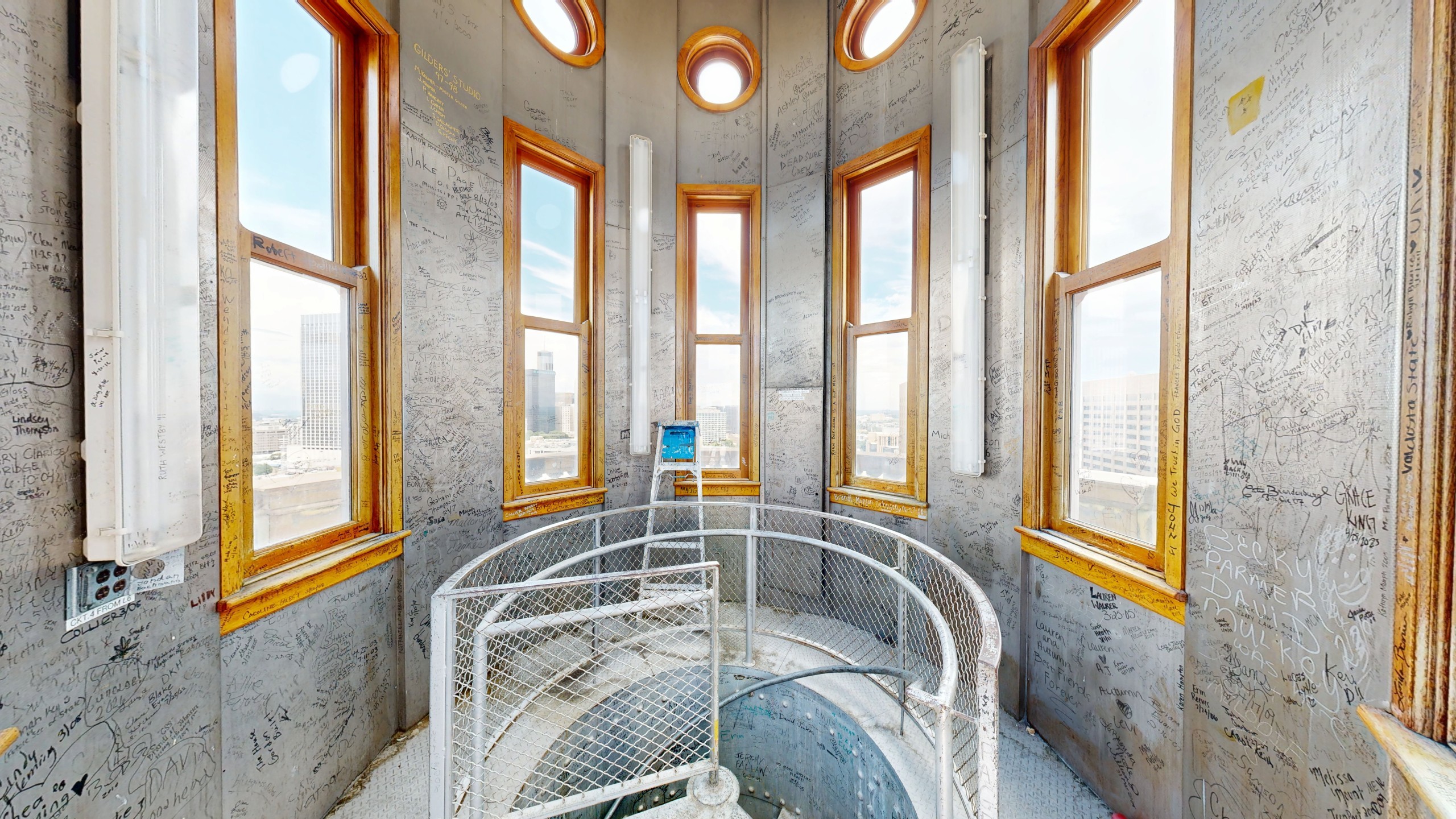
3D Virtual Tour
Photogrammetry
Revit Modeling
[ delivered value ]
Zero dimensional conflicts reported by the contractor during the first project phase
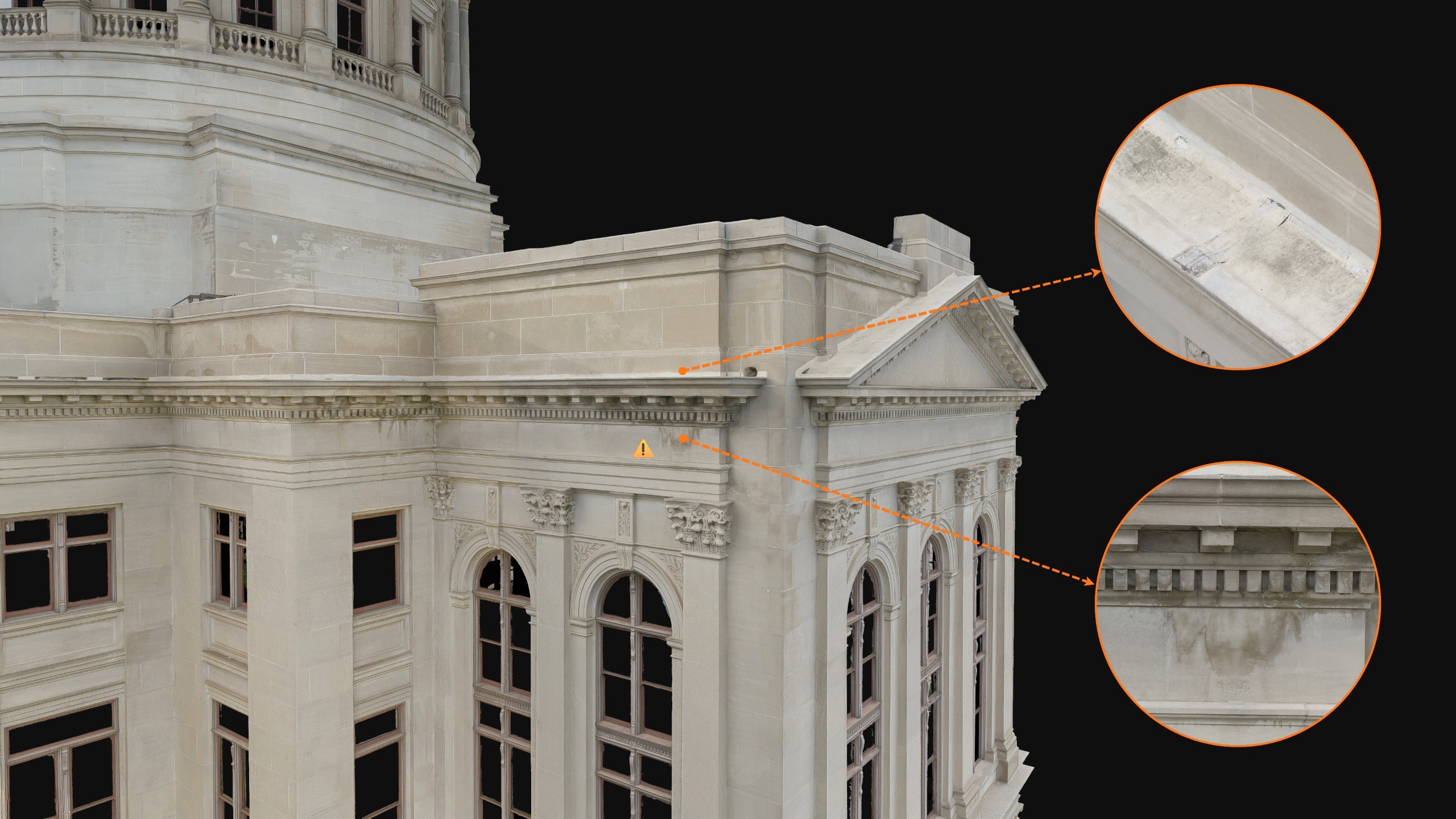
±3/8" global accuracy with 1/8" defect detection
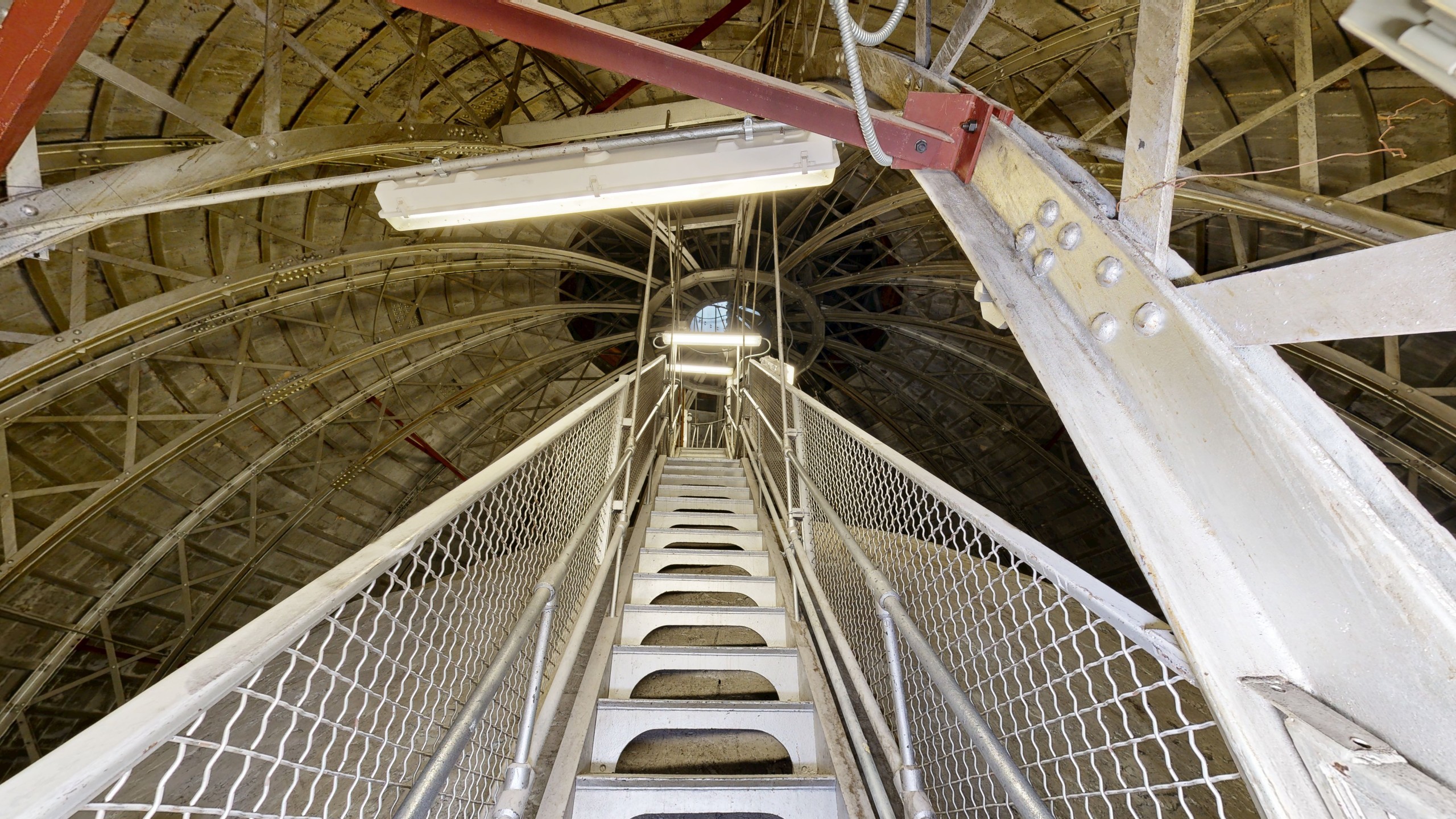
95% interior coverage, including mechanical spaces accessible only by crawling
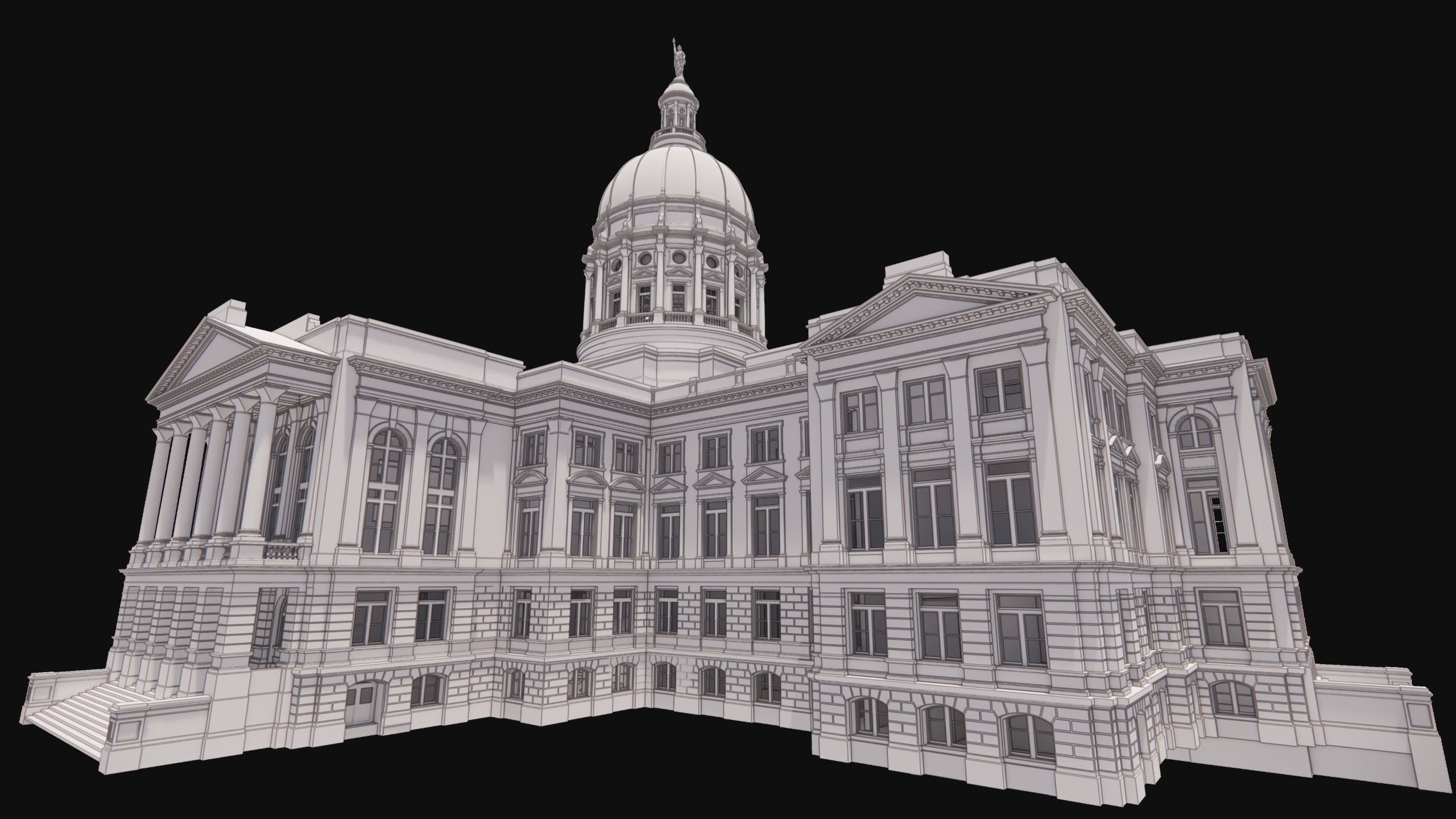
LOD exceeded specification wherever it benefited the design team
Live model access through ACC throughout design
[ challenge ]
The Capitol remained fully operational throughout documentation, with capture scheduled around the legislative calendar and escorts required at all times outside public spaces. HVAC and mechanical spaces were highly congested, with access so tight that an army crawl was the only way in. The building's ornate interiors and detailed exterior presented modeling challenges: geometry had to be simplified for Revit performance while preserving documentation accuracy through 2D annotations. And because design was already underway, every deliverable had to arrive in the order the architect needed it.
[ SOLUTION ]
Design was already in progress, so our team prioritized capture by design need, delivering virtual tour access and point clouds as each area was completed.
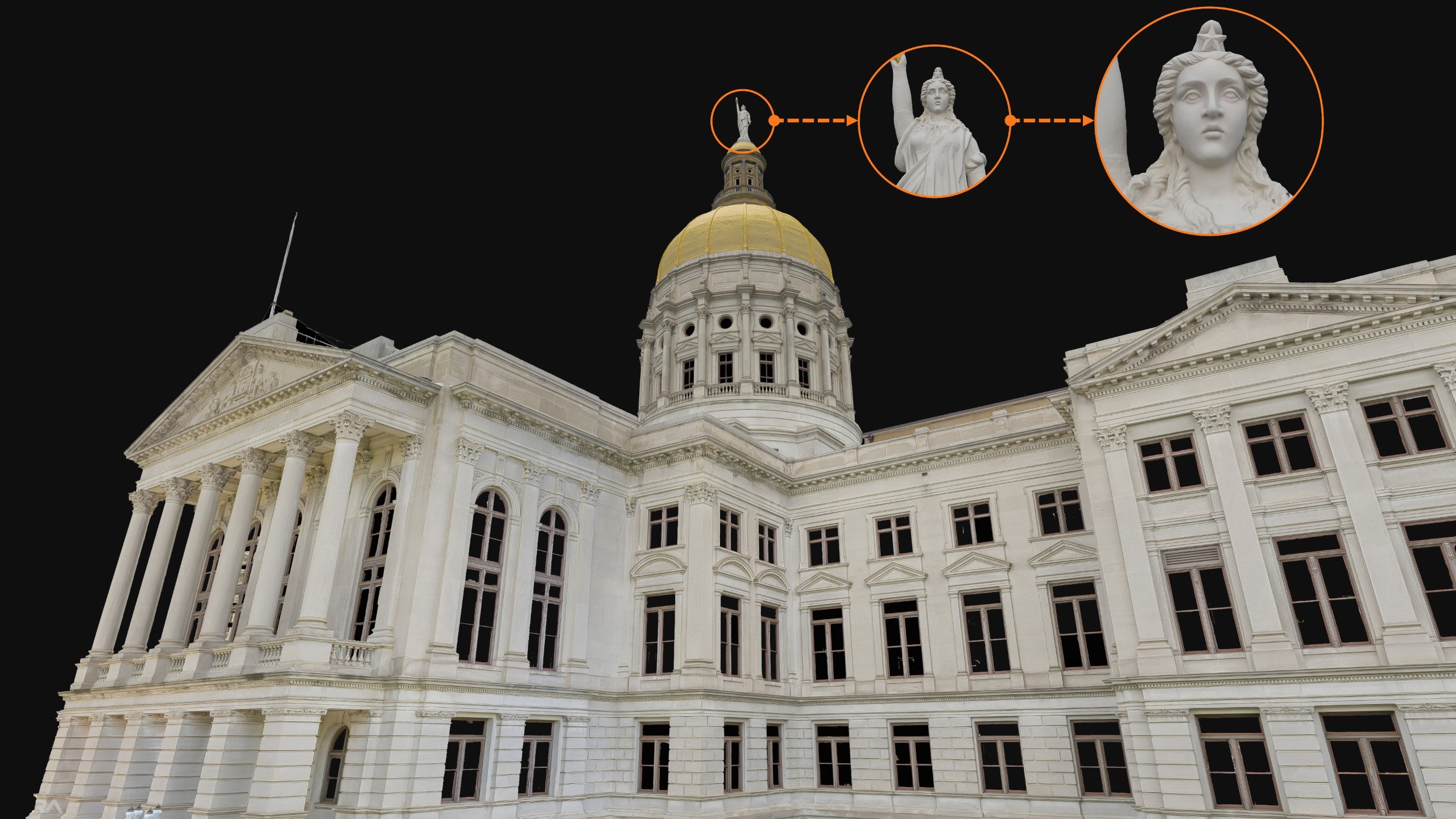
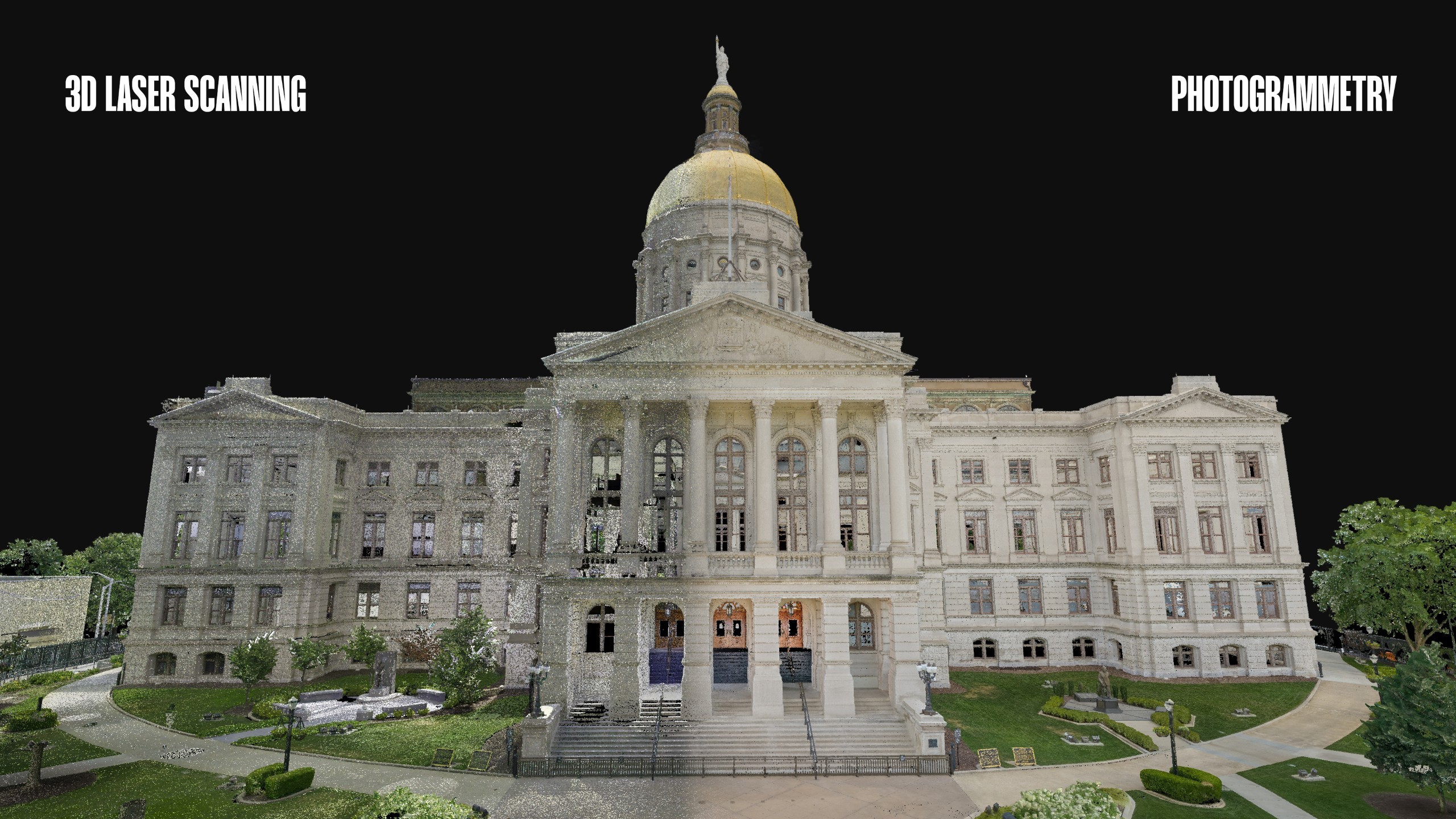
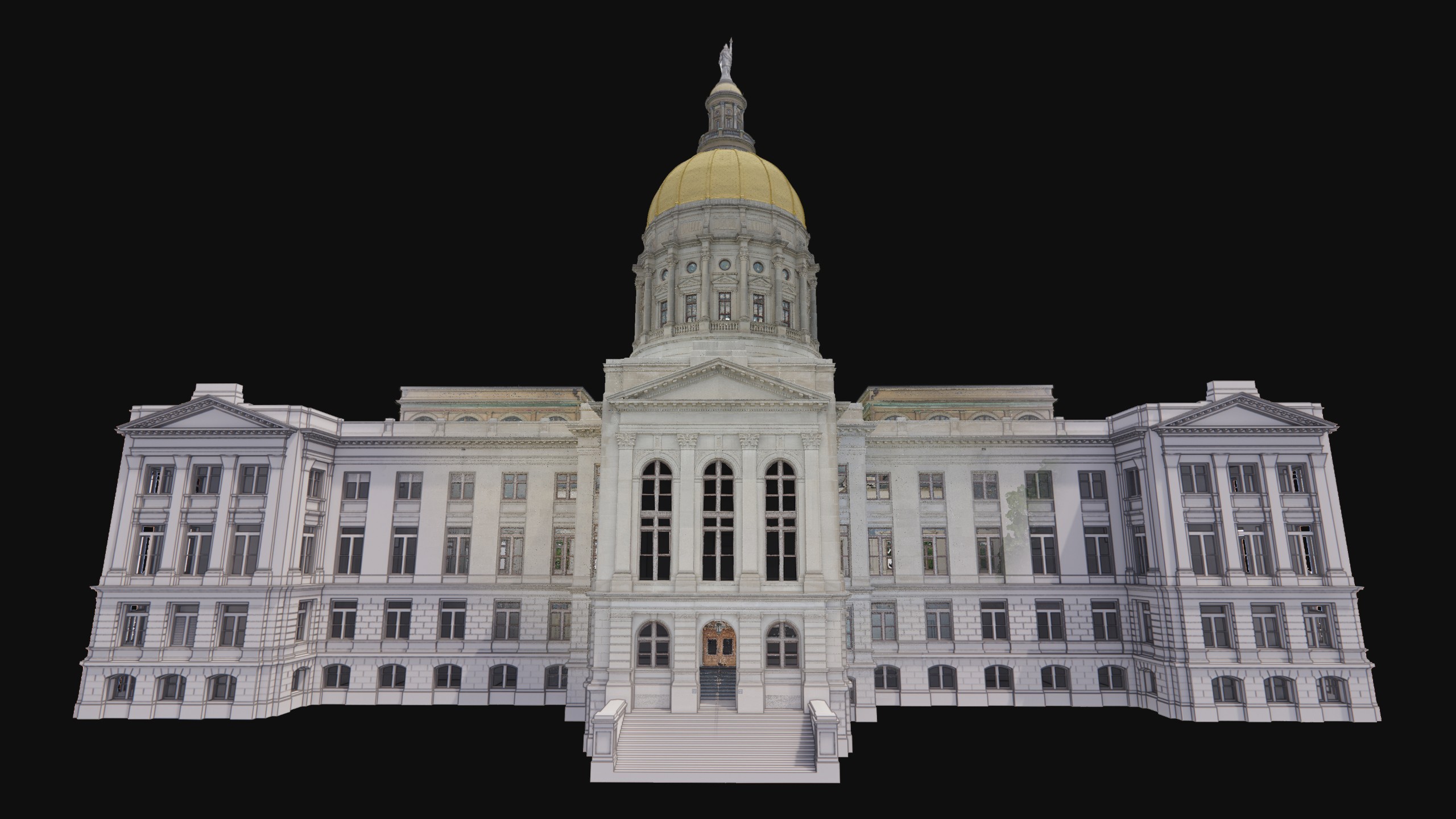
Terrestrial laser scanning documented every accessible space: public areas, private offices, attics, mechanical rooms, above-ceiling plenums, and the dome and cupola. A 3D virtual tour enabled the project team to verify conditions and inform design decisions remotely, without returning to the field. 14,000 aerial and ground photos and terrestrial scanning completed exterior coverage without missing a square inch. Interior photogrammetry captured ornamental detail in the House and Senate Chambers that scanning alone could not satisfy. To manage harsh summer light on the gilded dome and limestone exterior, photography was spread across 10 capture days, targeting overcast conditions.
The as-built Revit model, hosted on Autodesk Construction Cloud, gave Page | Stantec live access as modeling progressed. The LOD 200 specification was driven by scope and budget, but our team increased the level of detail wherever it benefited the design effort, balancing model performance with documentation accuracy.

Next