Perkins&Will
Client
Atlanta, GA
Location
1979
Year Built
300,000
Square Feet
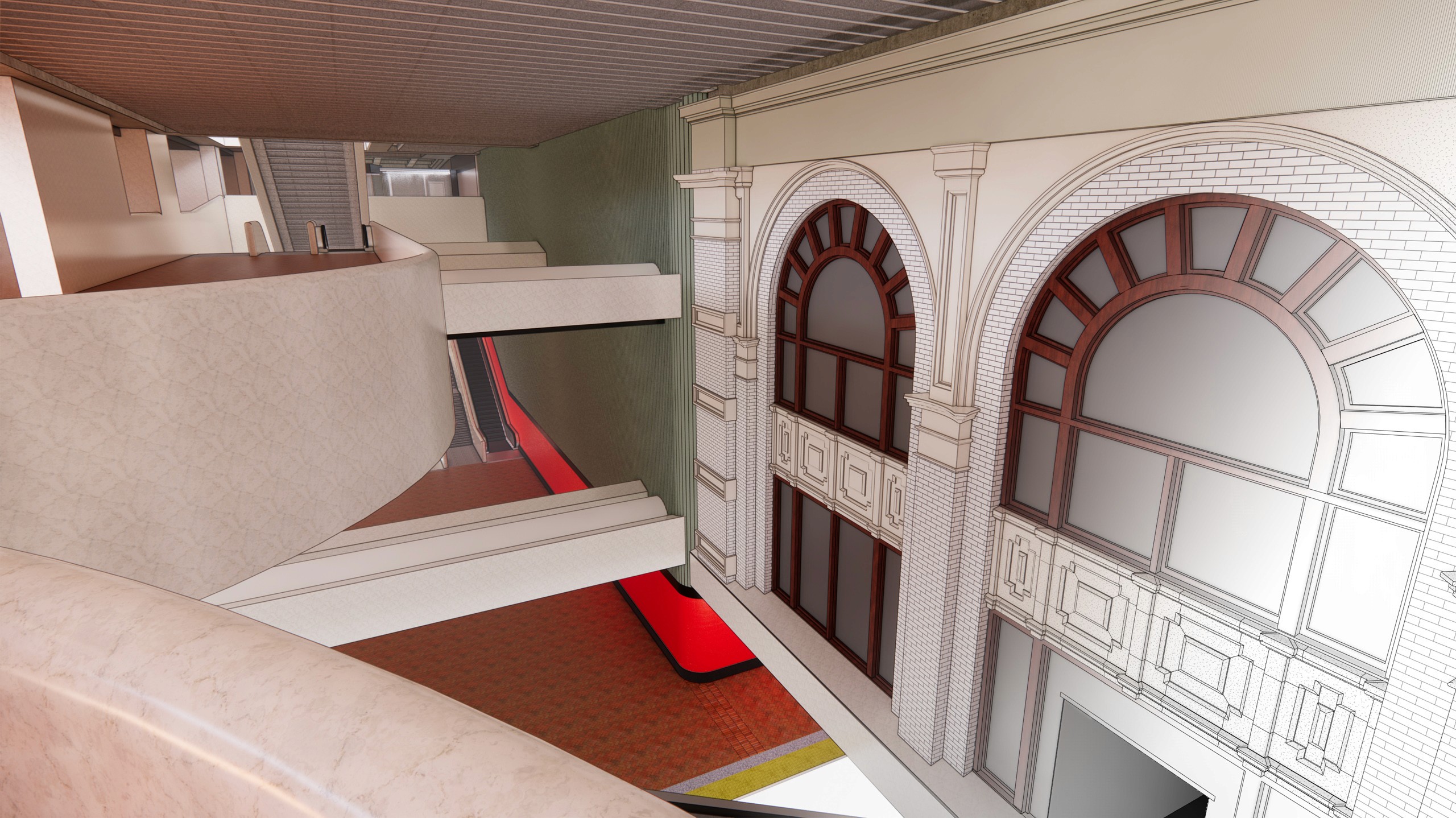
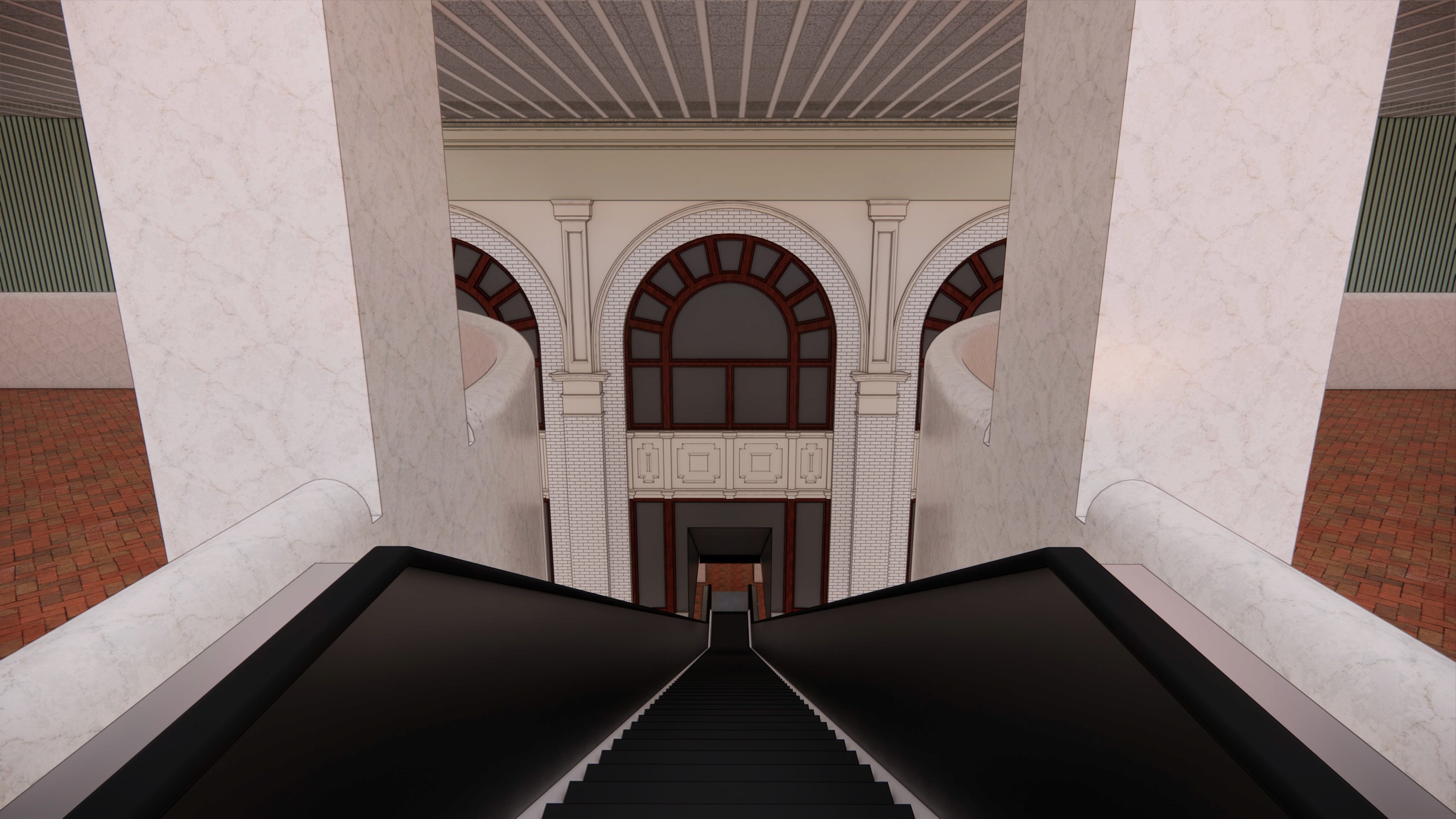
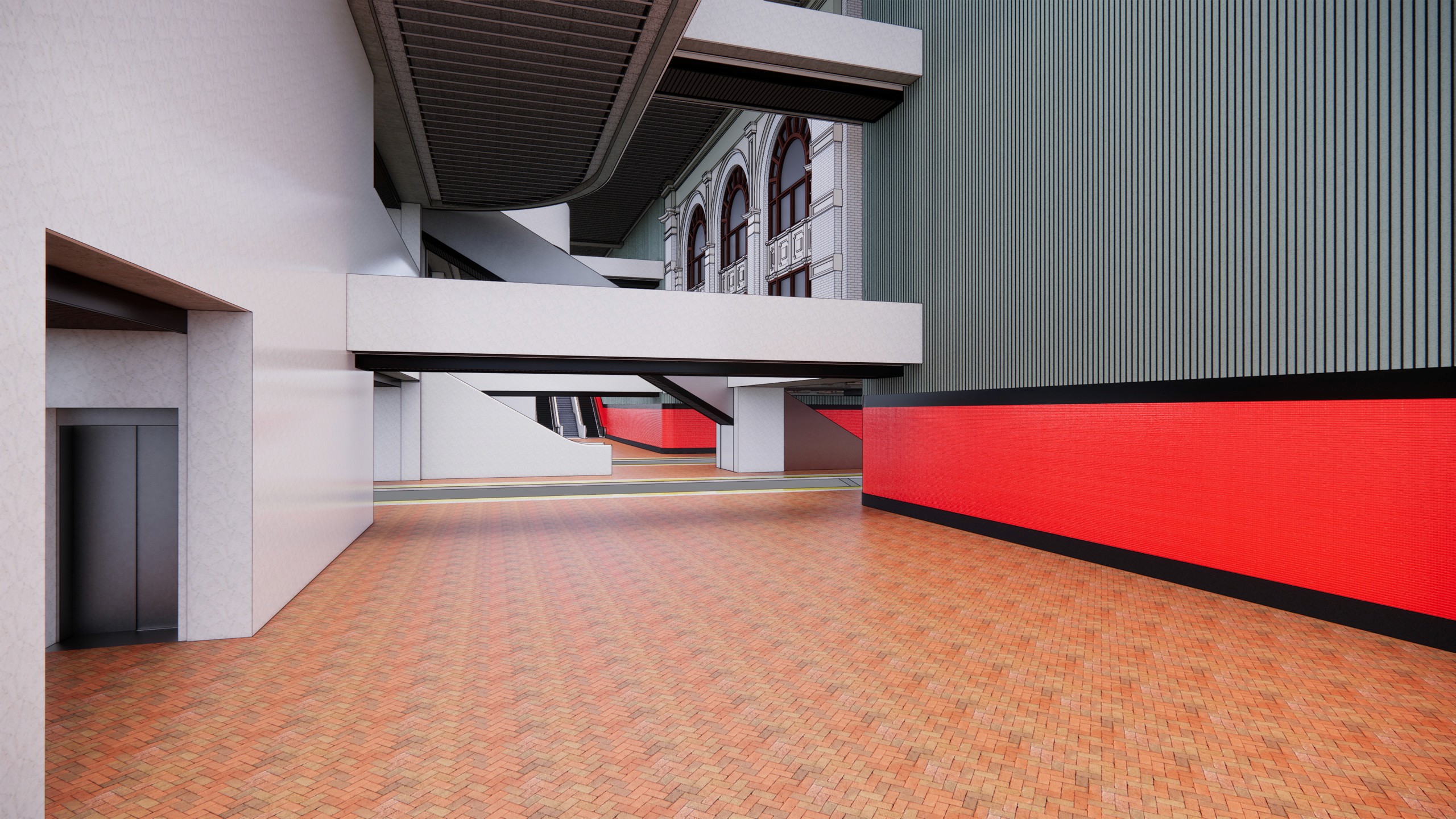
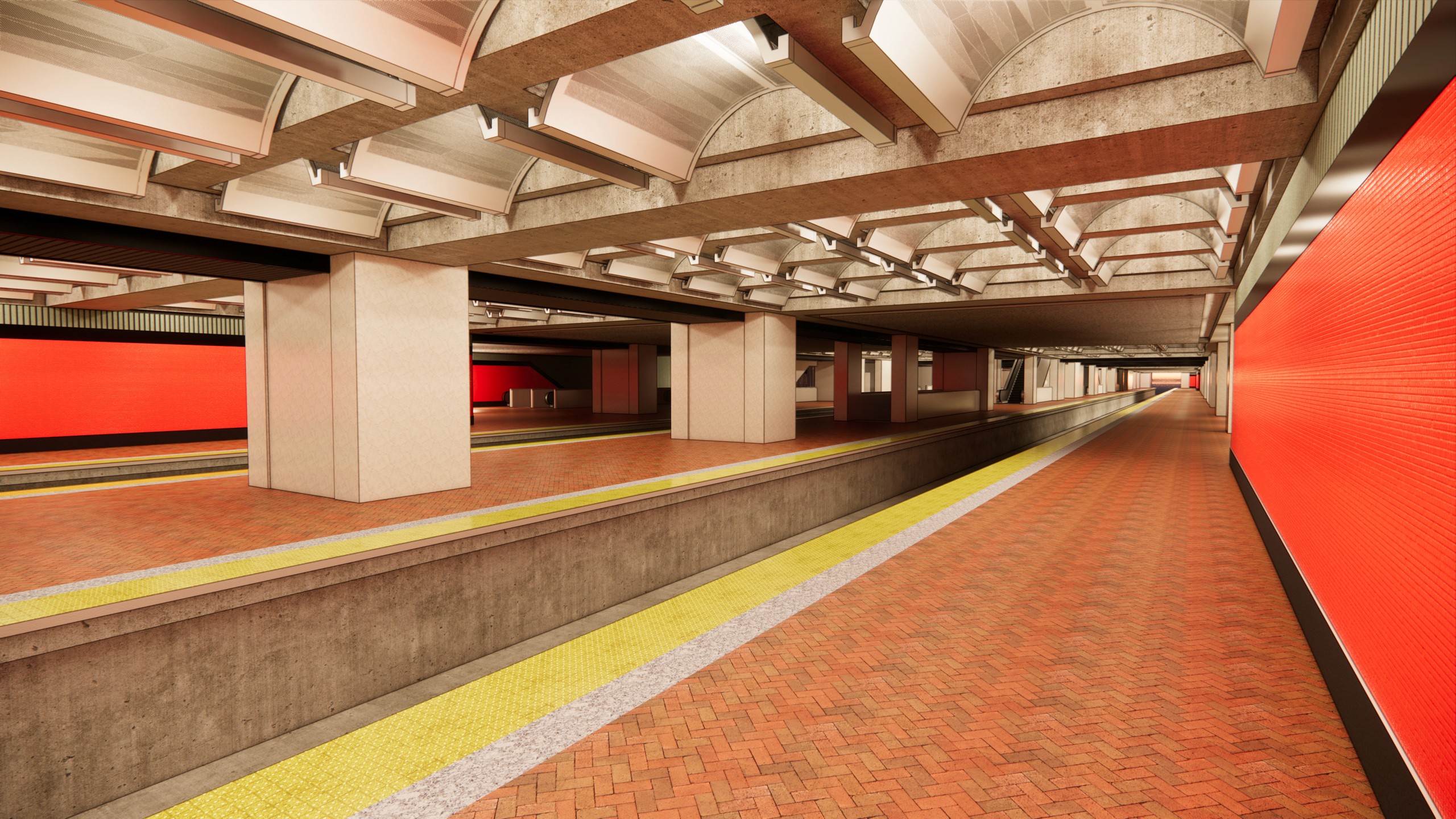
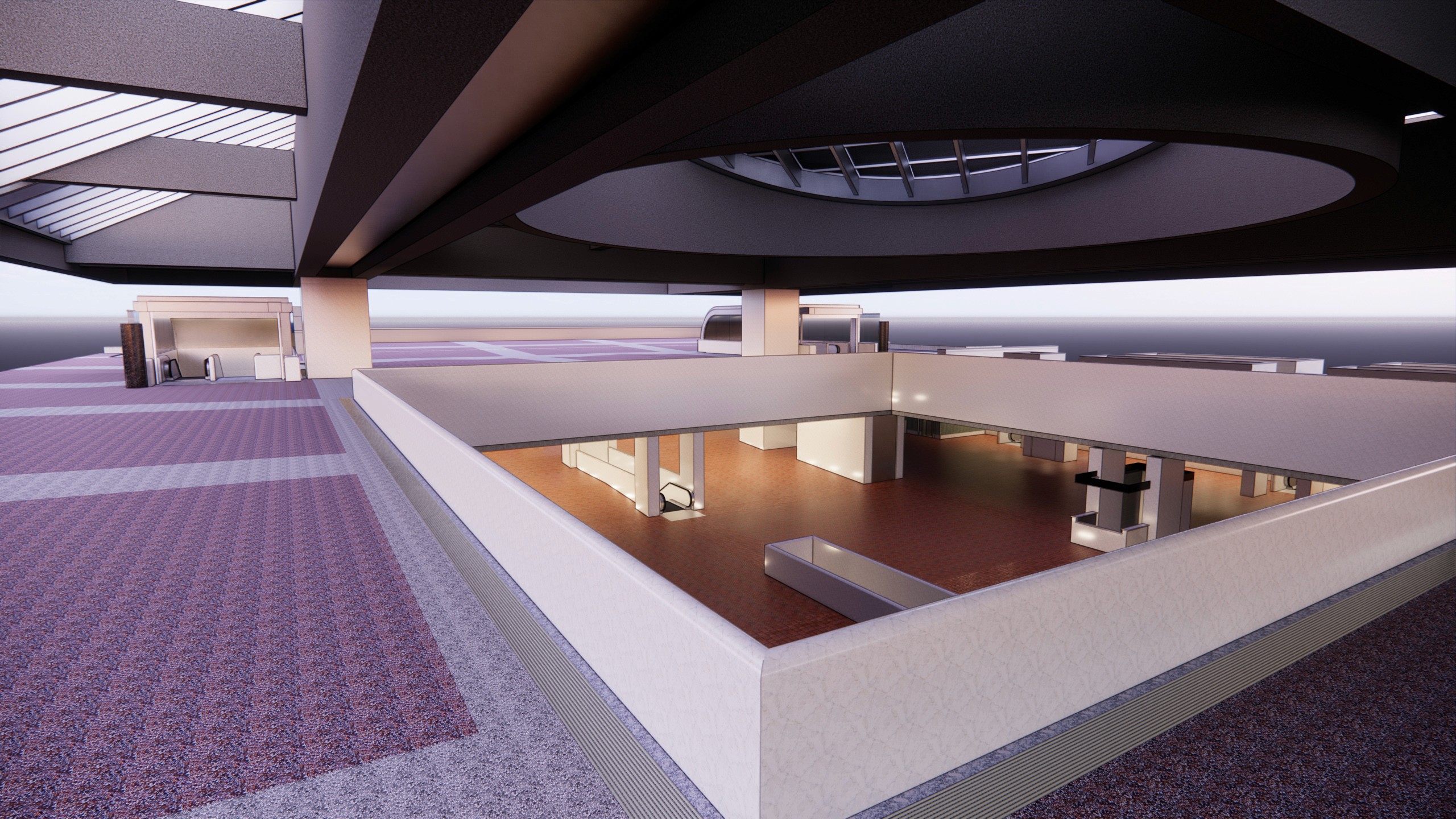
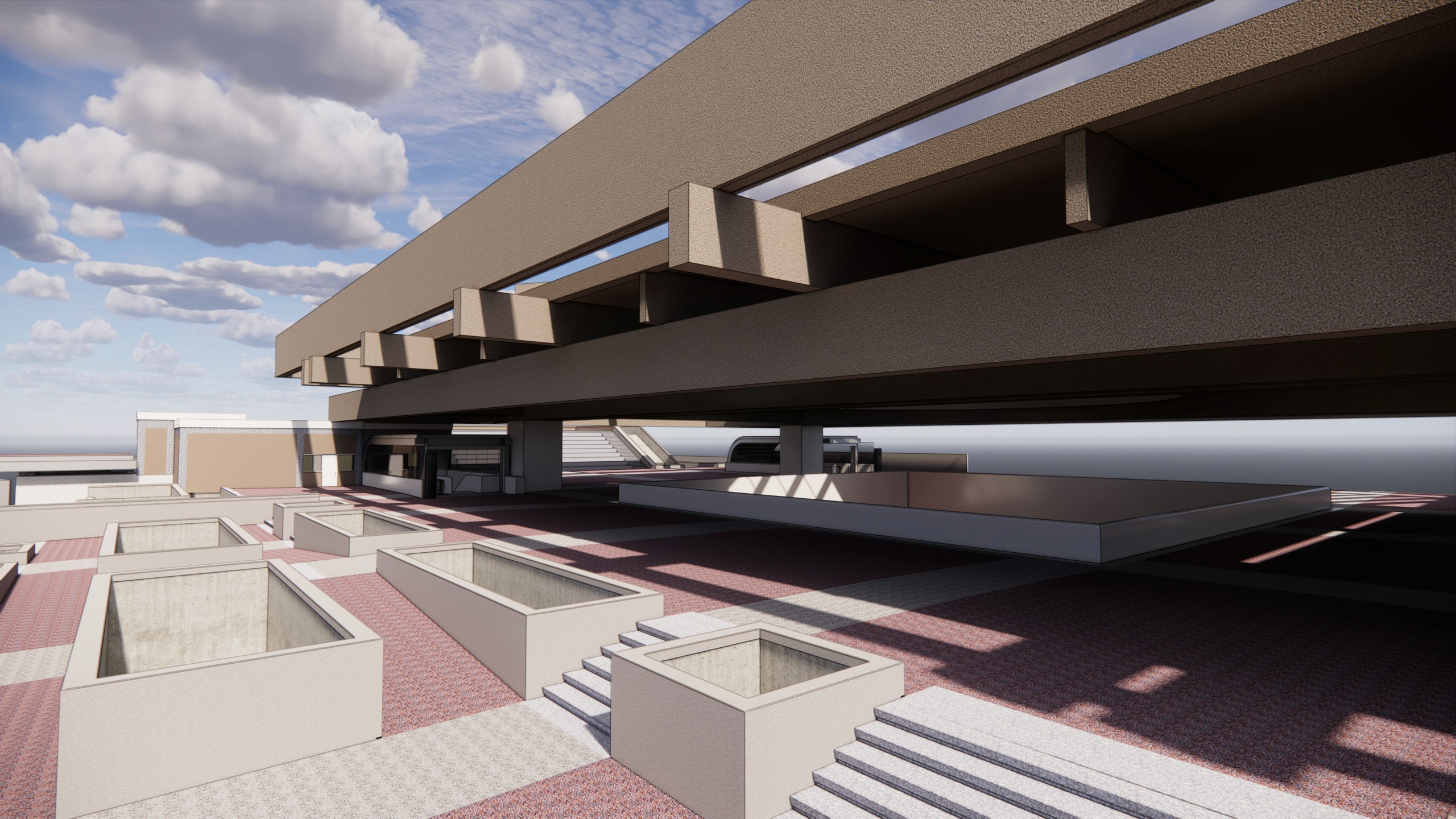
Perkins&Will needed complete as-built documentation for Atlanta's busiest transit station, but the 300,000-square-foot facility had some original architectural documents but no structural drawings. Five Points is MARTA's central hub where all rail lines converge. Its interior preserves the terra cotta facade of the 1901 Eiseman Building, a piece of early Atlanta carefully dismantled and rebuilt inside the station when the original was demoed in 1975. RC Monkeys delivered a Revit as-built model at 5/8" represented accuracy, giving the design team the foundation for design documentation that supported what is now the $230M Five Points Transformation Project.
[ SERVICES ]
Laser Scanning
Revit Modeling
[ delivered value ]
Design foundation for the Five Points Transformation Project
80% of the building at LOD 300, ±5/8" represented accuracy
90% of structural elements modeled without structural drawings
95%+ model content drawn orthogonally through optimized project orientation
Field observations and structural notes documented in the models
[ challenge ]
The station's large, multi-story open spaces created strong conditions for laser scanning but posed serious modeling challenges. Built elements were rarely plumb or orthogonal, making it difficult to produce a model where vertical elements stacked and linear elements maintained orthogonality. Finish floors sloped in multiple directions with material transitions critical to the design. Structural elements shaped the station's character inside and out, but no structural record drawings existed to guide their documentation.
[ SOLUTION ]
Standard modeling assumptions would not hold in a building where almost nothing was plumb or orthogonal.
RC Monkeys started by analyzing the optimal orientation of the building, establishing a baseline that allowed more than 95% of the model content to be drawn orthogonally while still meeting the specified accuracy. This single decision shaped every modeling choice that followed.
Finish floors were split at construction joints and material transitions, with slopes accurately represented to match as-built conditions. The result was clean, manageable floor elements that preserved the complexity of the original construction.
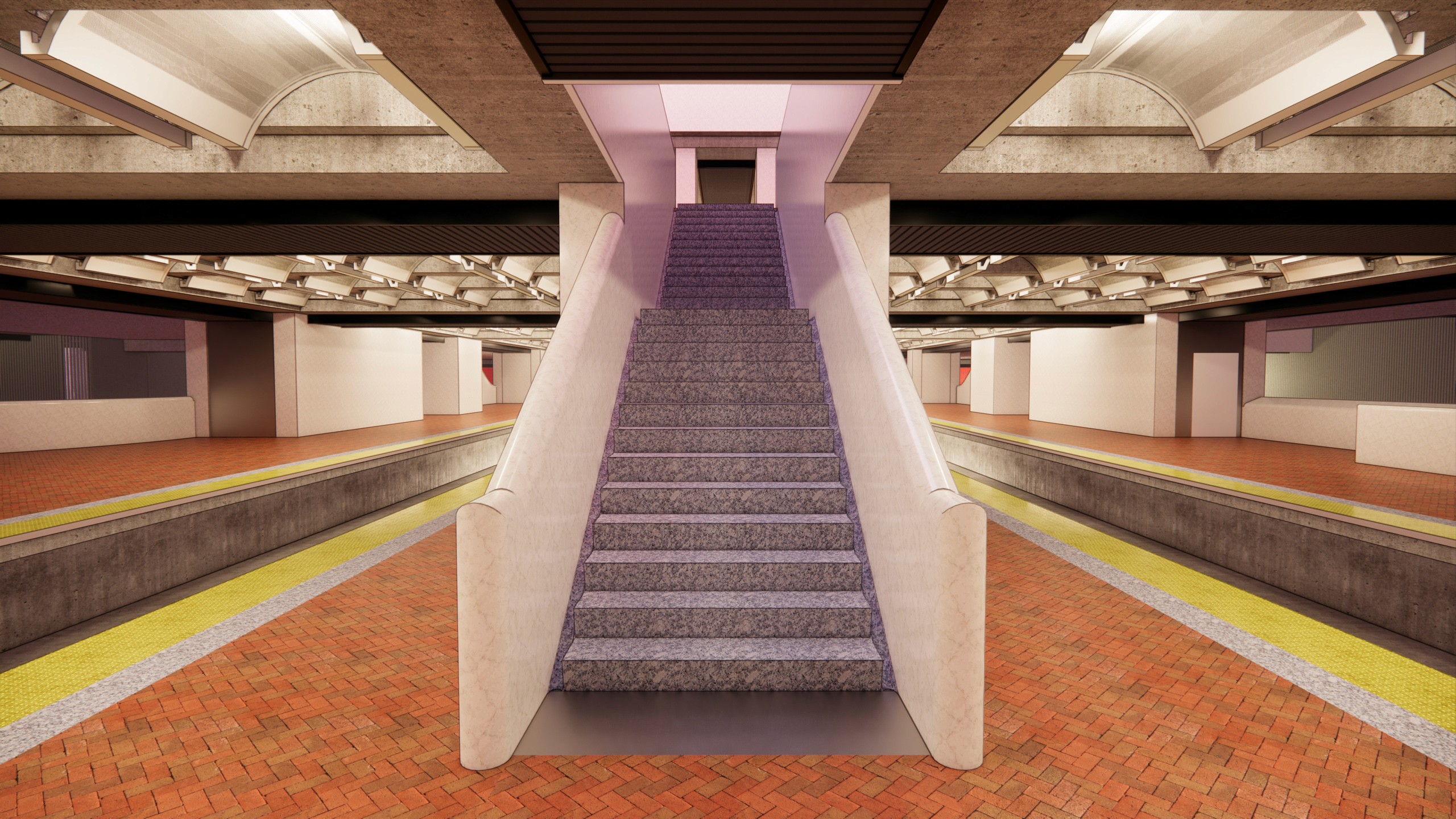
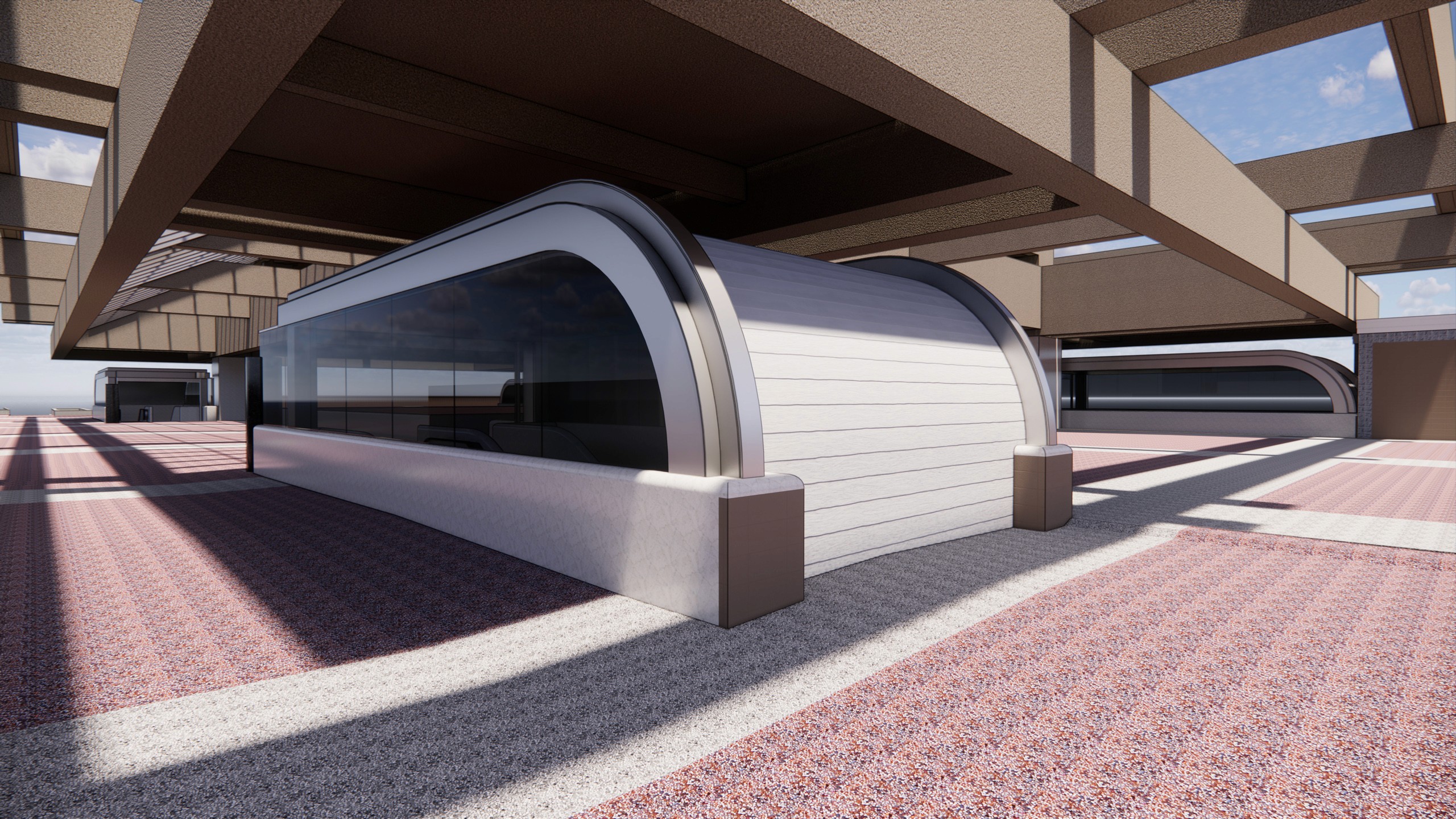
Using scan data, existing architectural drawings, and in-house structural expertise, the team modeled 90% of the structural elements. The model’s completeness was validated in Enscape, allowing the team to virtually walk through the station and catch modeling errors before delivery.
The station was captured and registered in 10 business days. The modeling phase followed and was completed in four weeks.
Next