Gensler | ARC
Client
Los Angeles, CA
Location
1929-1952
Year Built
217,000
Square Feet
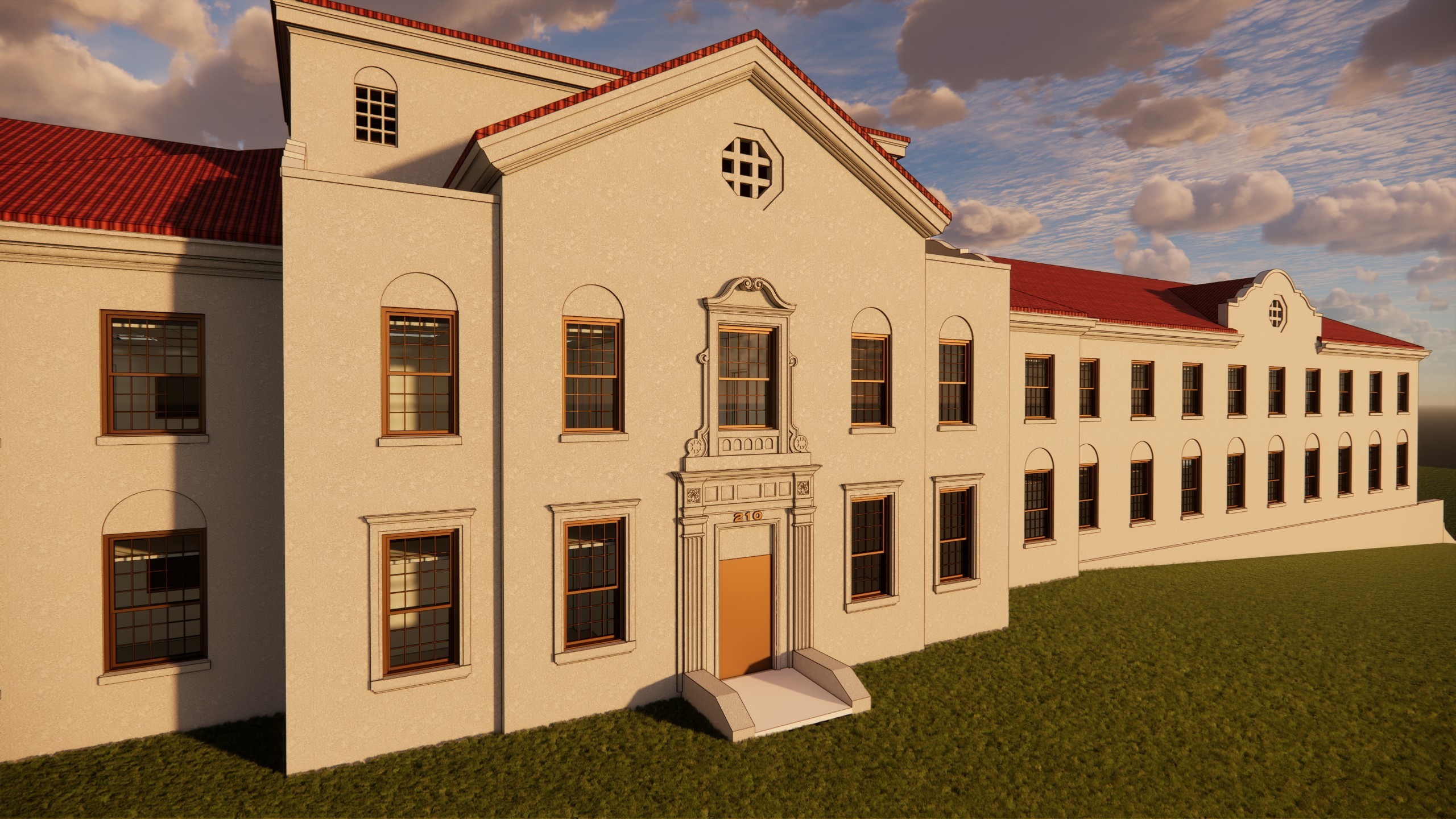
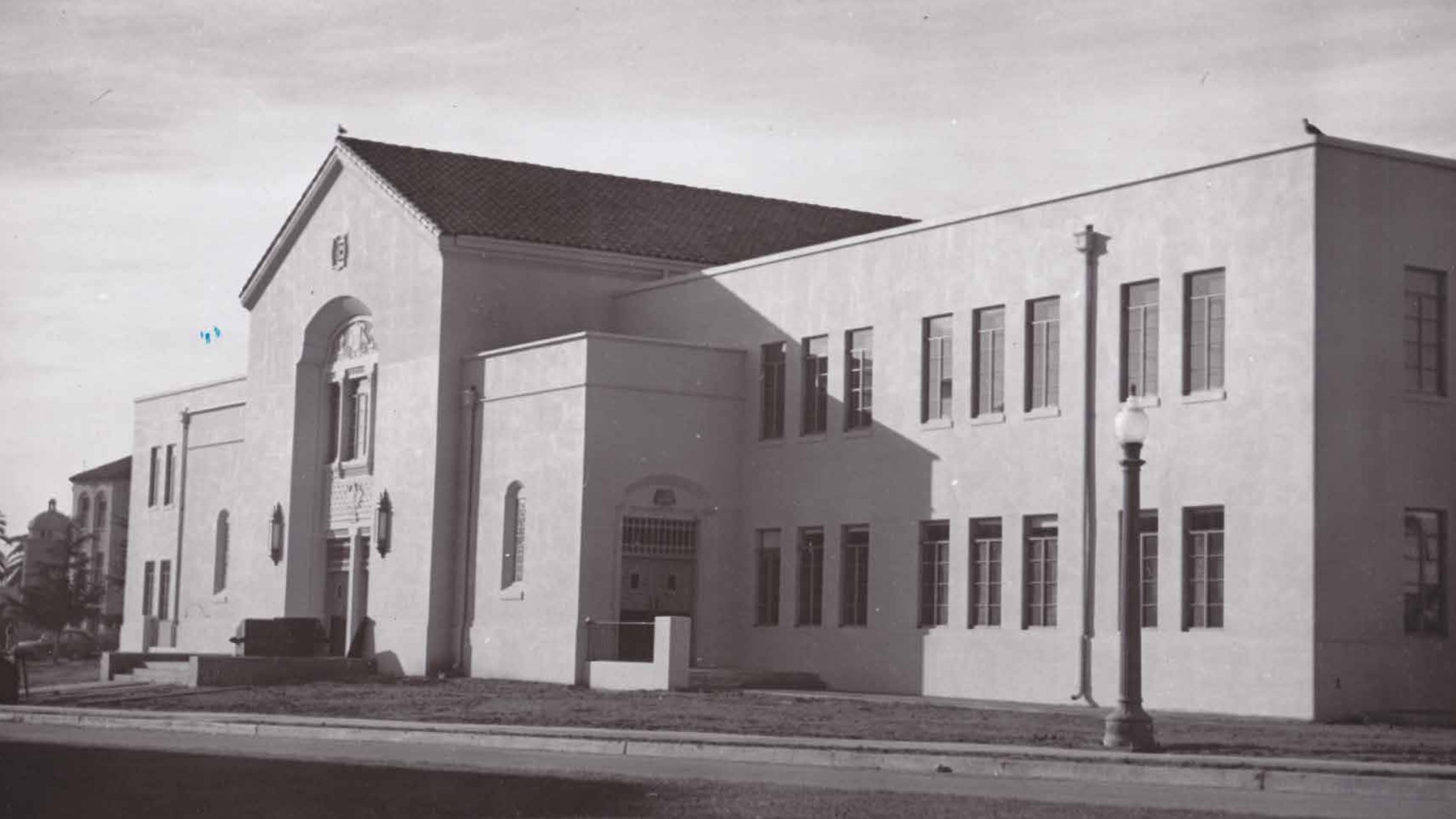
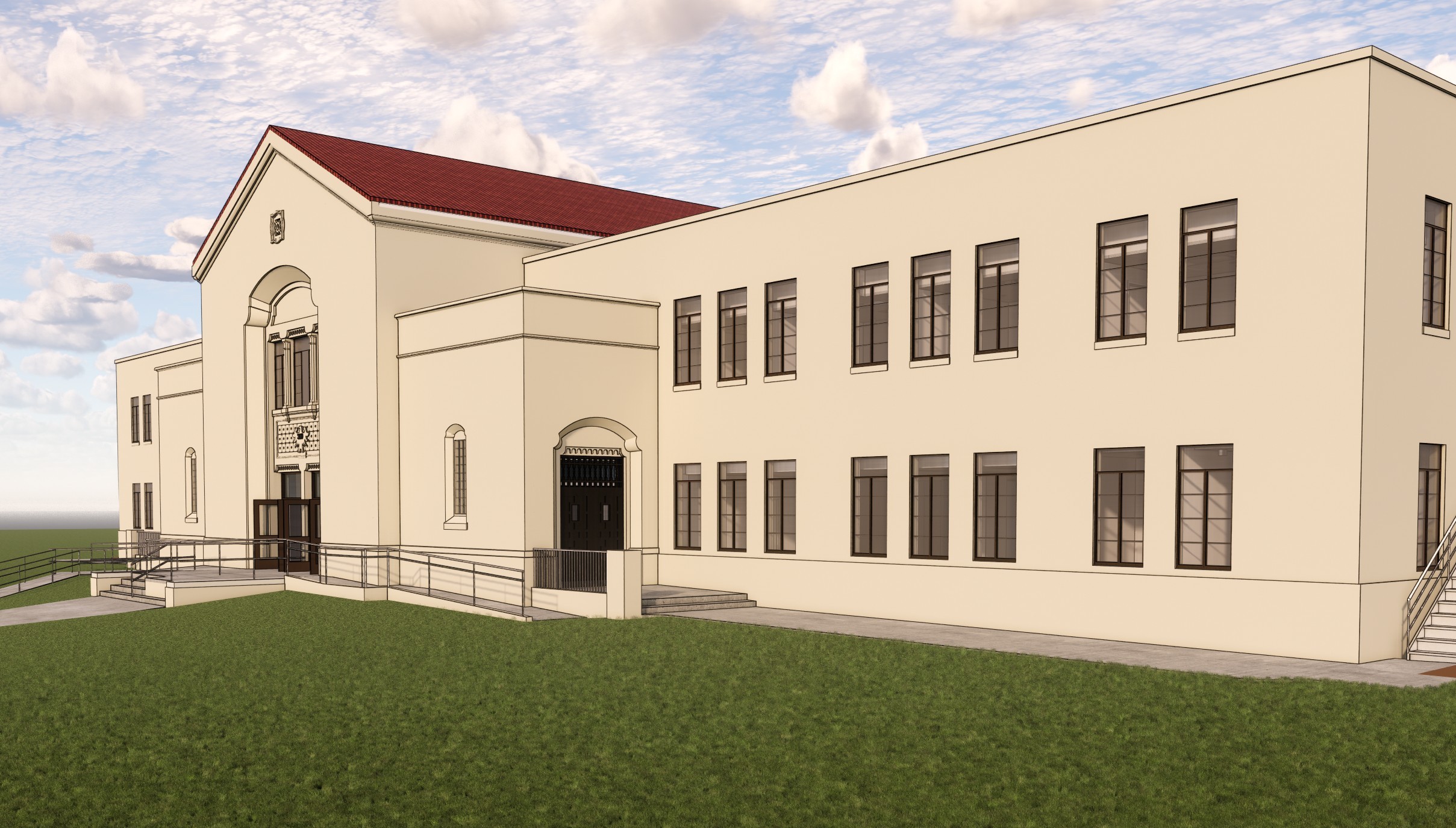
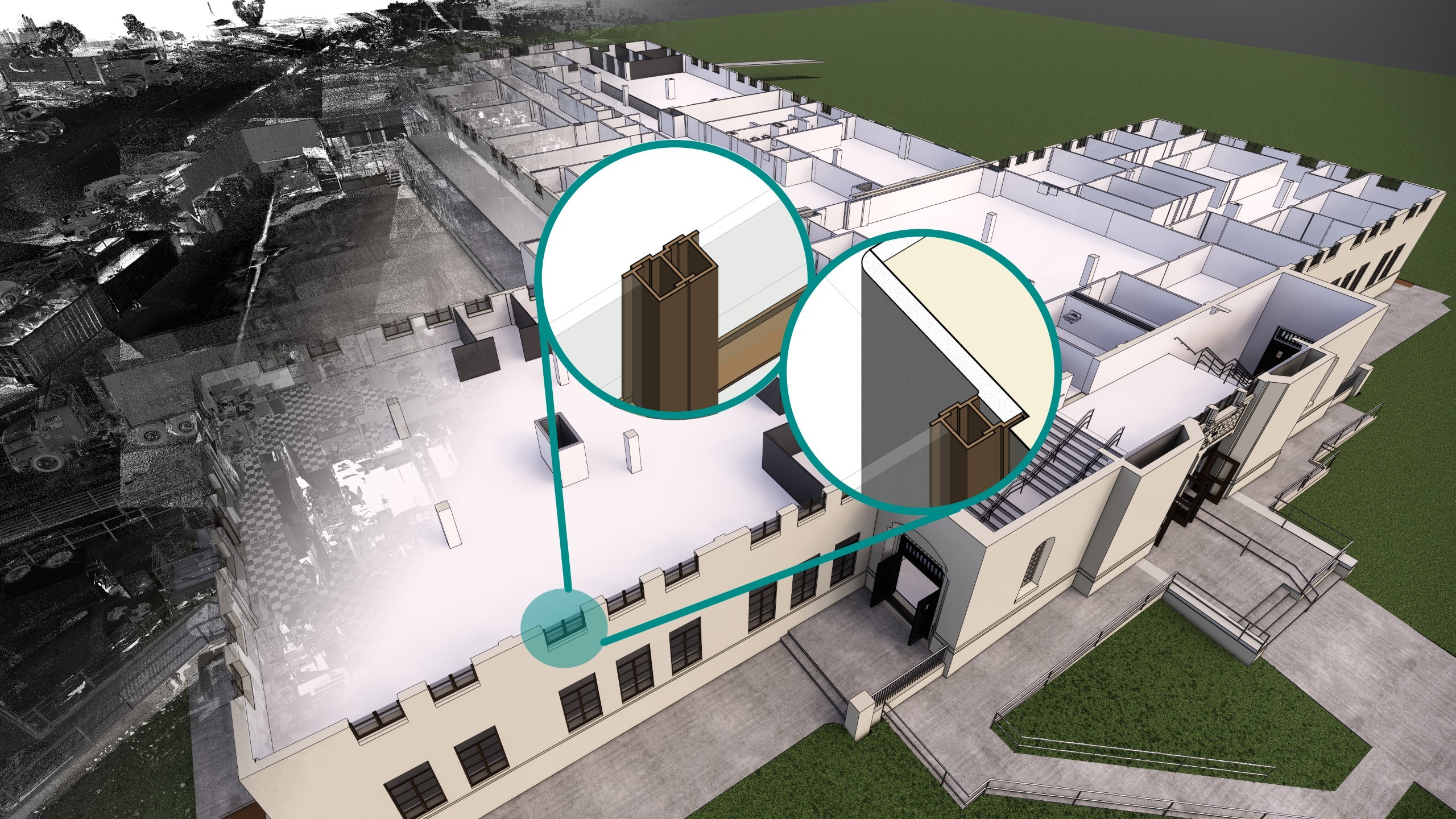
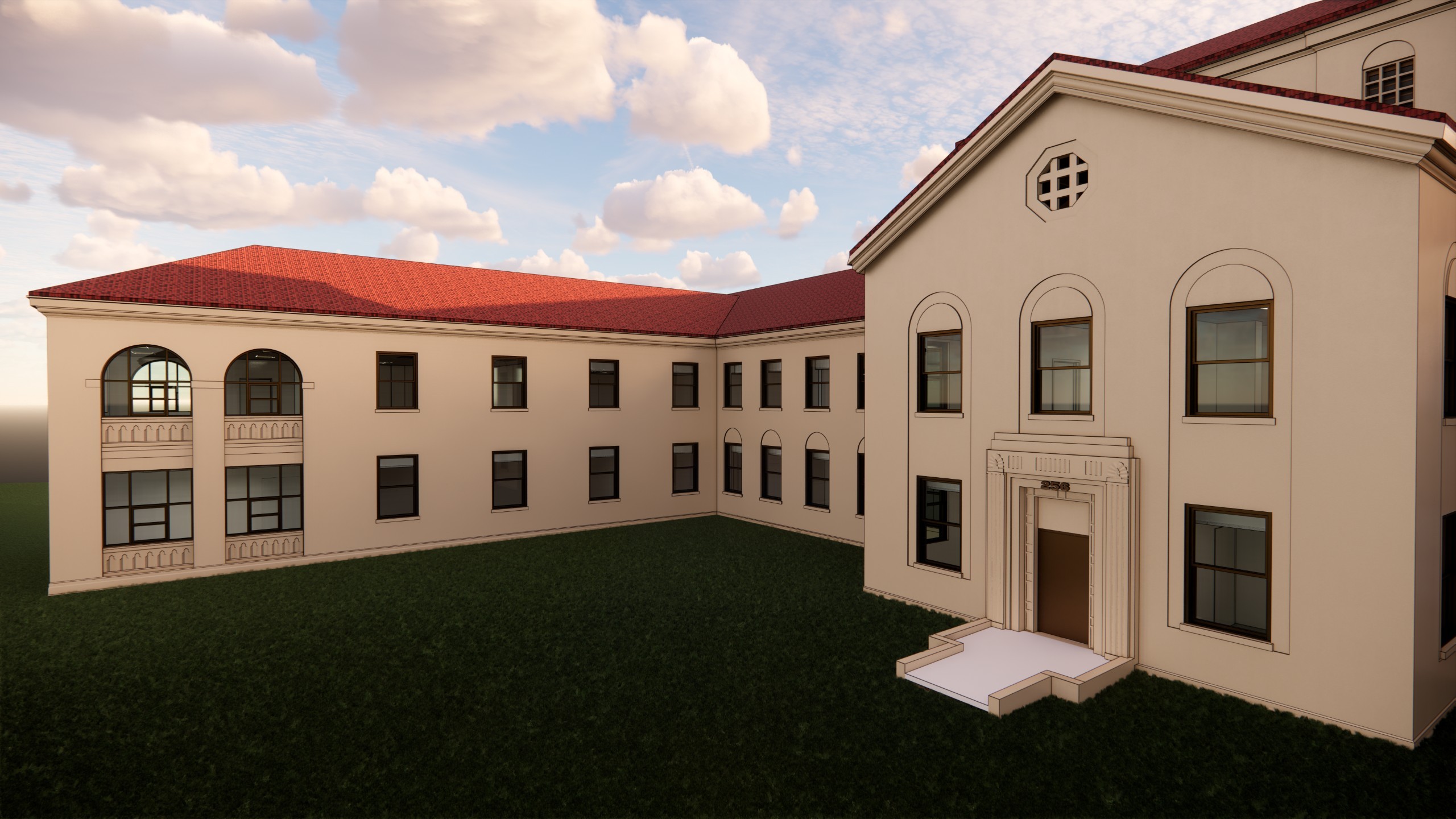
As part of a master plan to provide 1,200 units of permanent supportive housing for formerly homeless veterans, Gensler needed existing conditions documentation for four historic buildings on the West L.A. Veterans Campus, one of the VA's largest and most complex healthcare campuses. Built between 1929 and 1956, the four buildings total approximately 217,000 square feet and span three different construction techniques and two architectural styles, from Art Deco to Mission Revival. RC Monkeys, in collaboration with ARC, delivered laser scanning and Revit as-built models at ±5/8" accuracy that gave Gensler a reliable baseline for renovation planning.
[ SERVICES ]
Laser Scanning
Revit Modeling
[ delivered value ]
20% to 90% LOD 300 per building, ±5/8" accuracy
Deliverables built to Gensler's standards for seamless hand-off
Field observations and structural notes documented in the models
Comprehensive as-built documentation across all four buildings
[ challenge ]
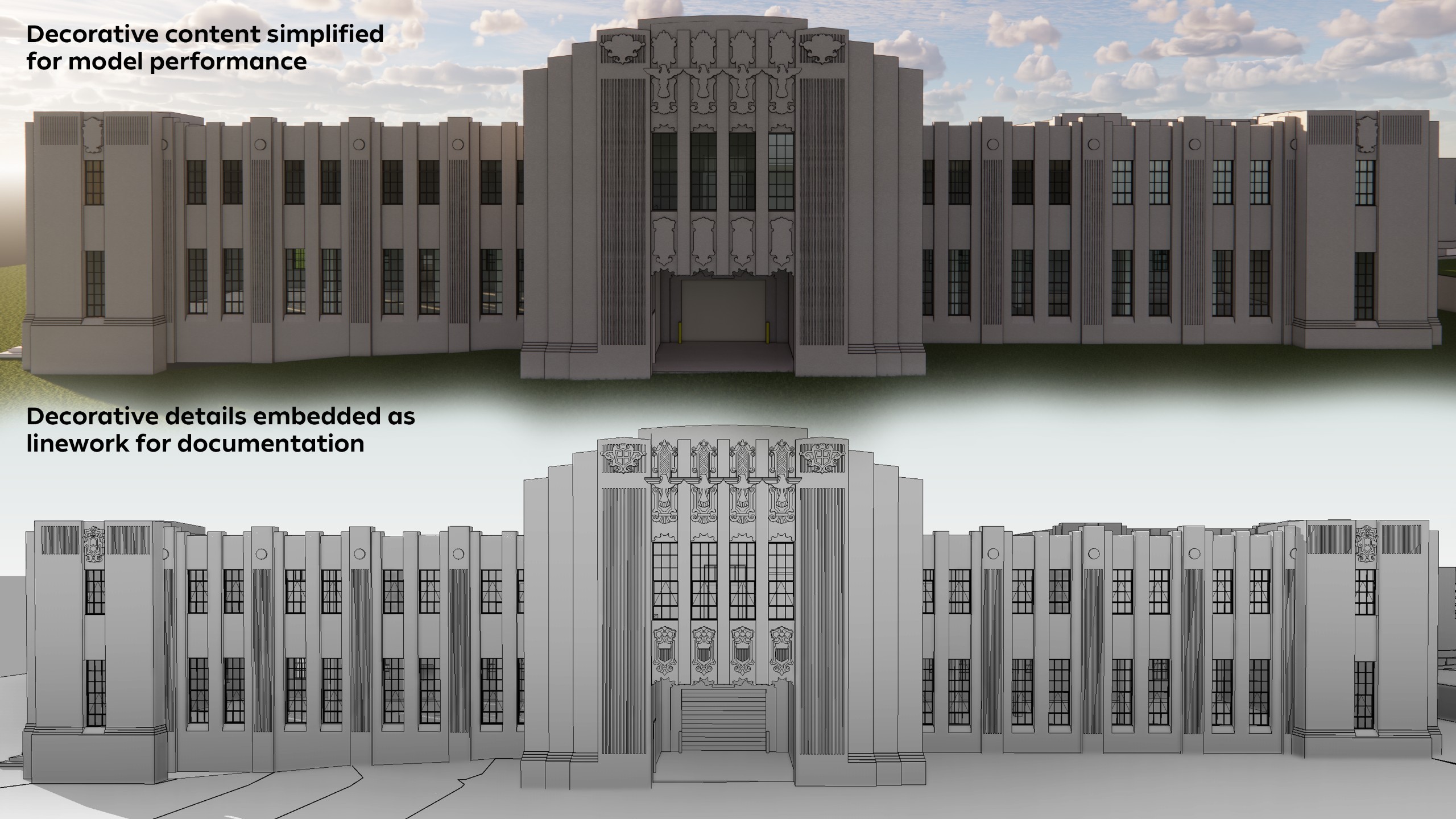
Four buildings, different structural systems, and decorative exterior features embedded in the structural concrete meant no single modeling approach would cover the full scope. The client had budget and schedule constraints that required careful decisions about where to invest documentation effort. Differences in architectural style between buildings, from Art Deco to Mission Revival, added complexity to the modeling approach. Gensler's design workflow required deliverables that looked and performed as if developed by their internal team, with no loss of productivity at hand-off.
[ SOLUTION ]
The documentation strategy had to balance modeling approach, level of detail, and level of accuracy with the client's budget and schedule.
RC Monkeys partnered with ARC from planning through delivery, managing budgeting, project approach, scan registration, modeling strategy, and execution. Together, the teams captured and registered more than 2,500 scans across all four buildings and tied them into a survey control network for georeferencing.
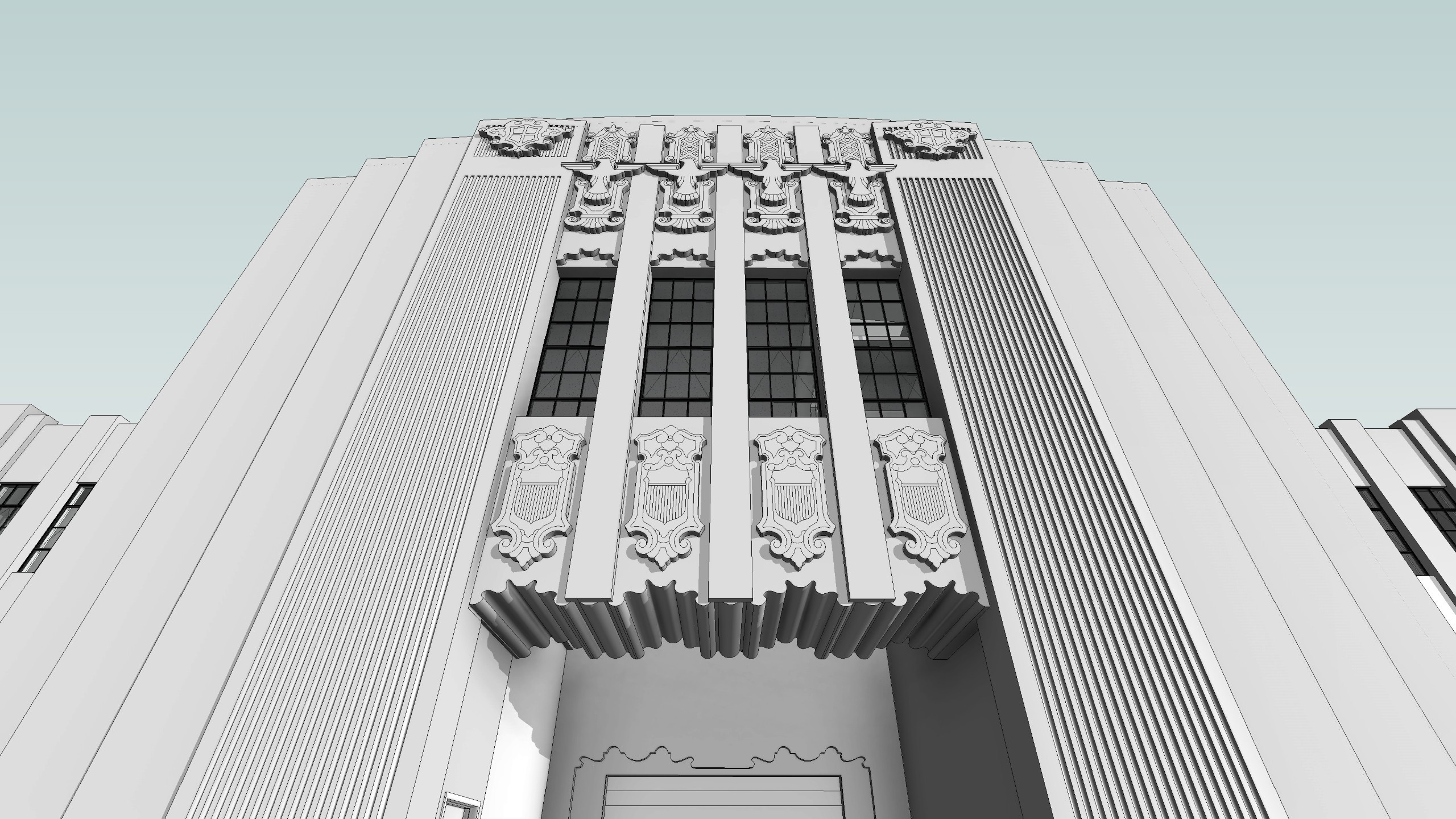
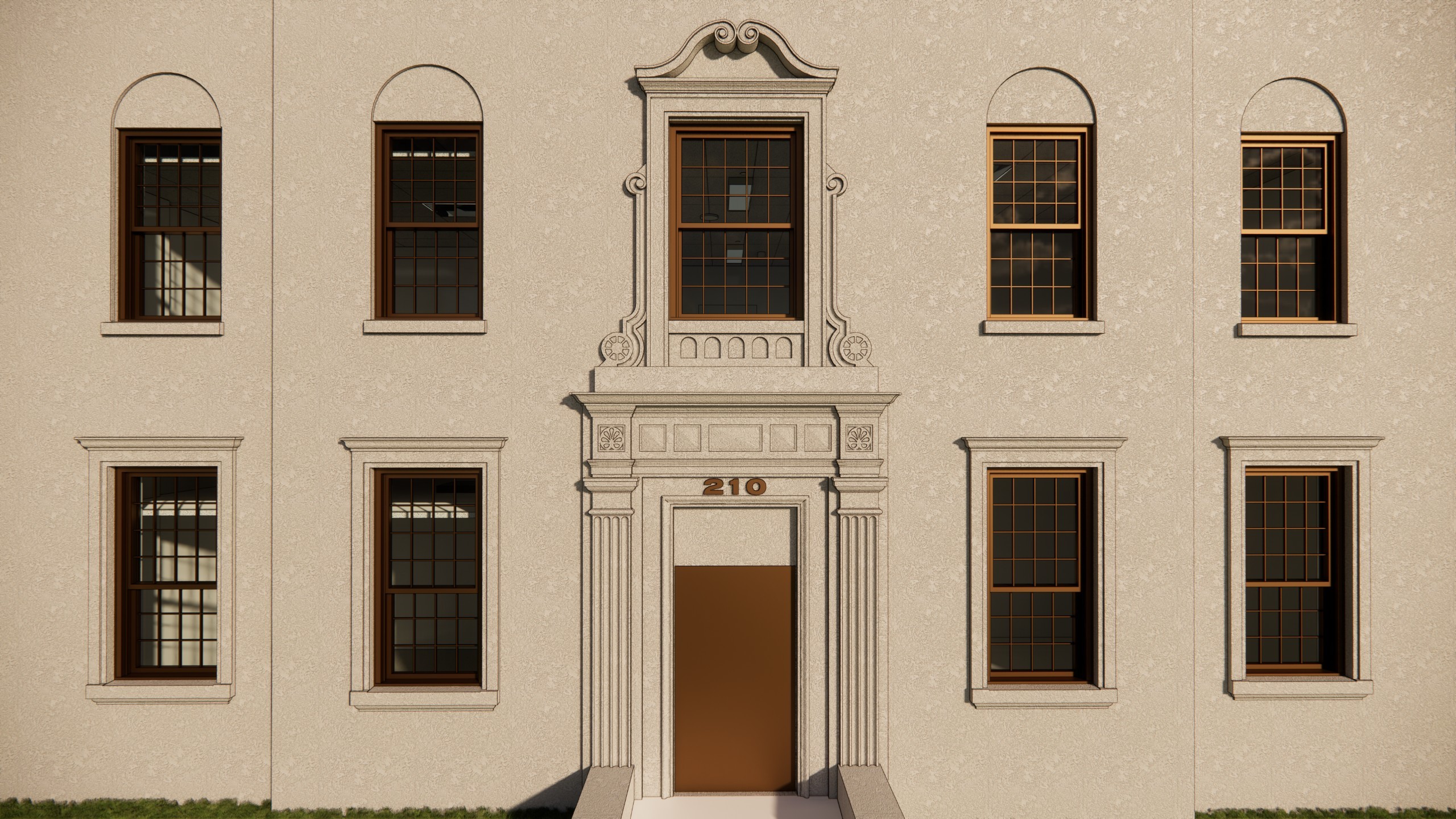
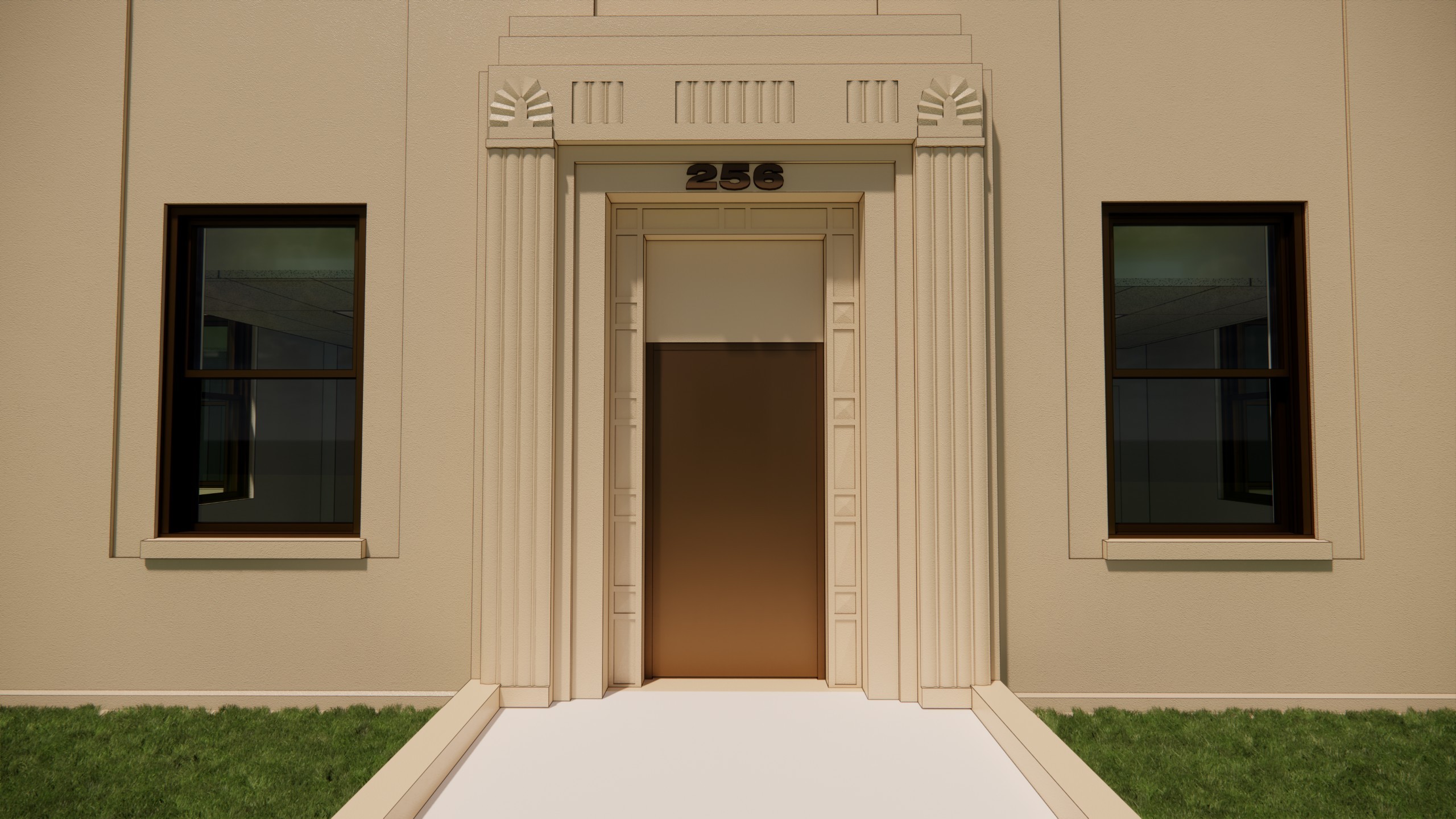
The LOD of each component was driven by the design scope. Across the four buildings, LOD 300 coverage ranged from 20% to 90%, with the highest concentration on Building 300, which had the most renovation scope and available record drawings. The remaining three buildings were modeled solely from scan data. For complex façade features, the team used simple geometric shapes enhanced with Model Lines, reducing production time while preserving detail on 2D documents.
Revit families were developed from scratch using the client's standards and shared parameters. Everything our team learned about the buildings was documented in the models, giving end users access to field observations and structural notes throughout the design process.
Next