KFA | ARC
Client
Los Angeles, GA
Location
1900
Year Built
10,000
Square Feet
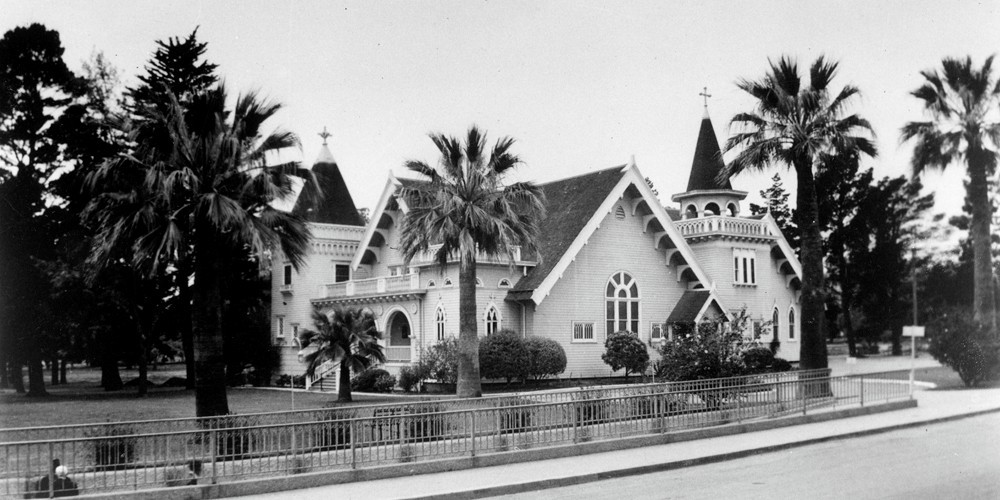
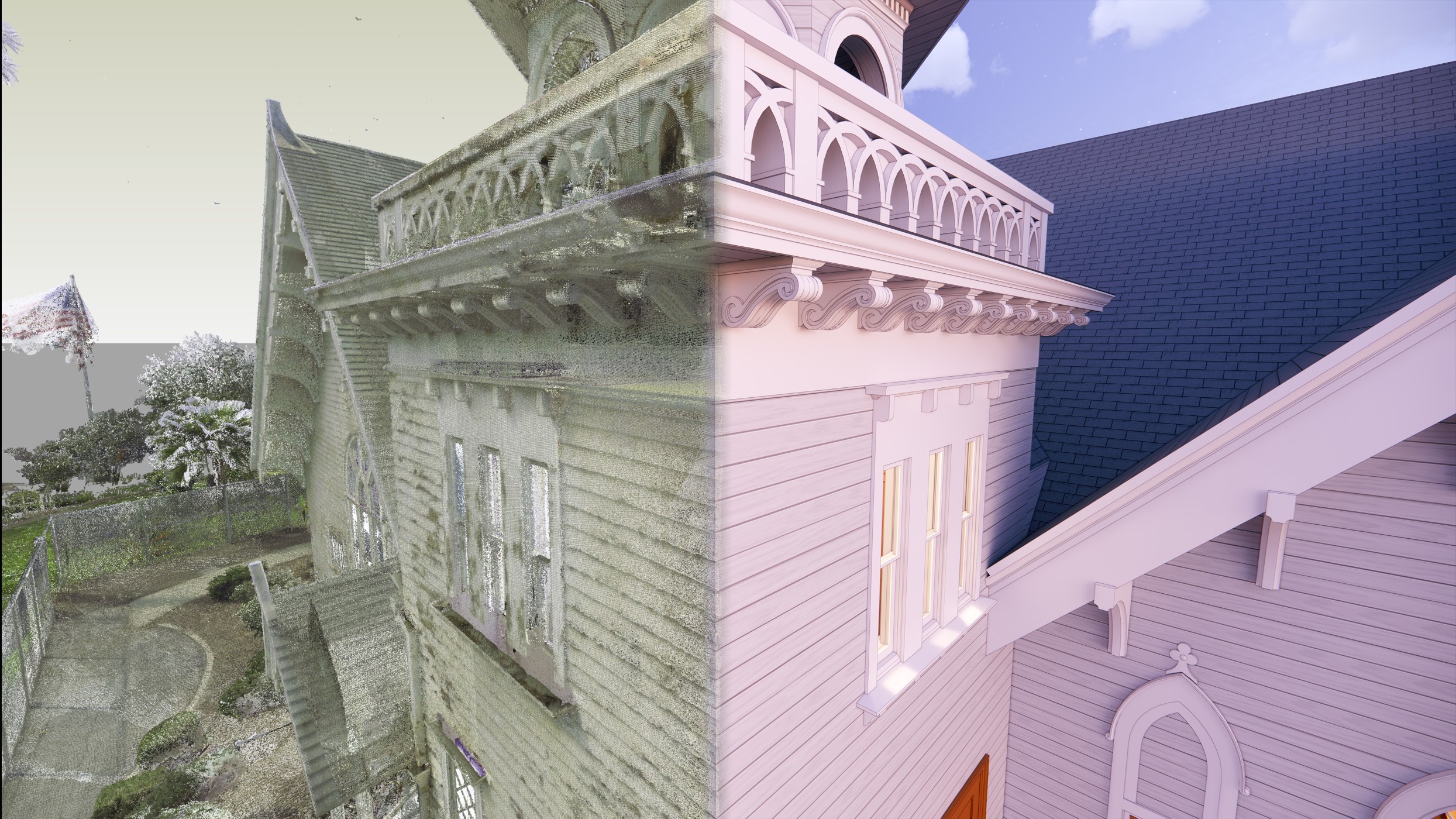
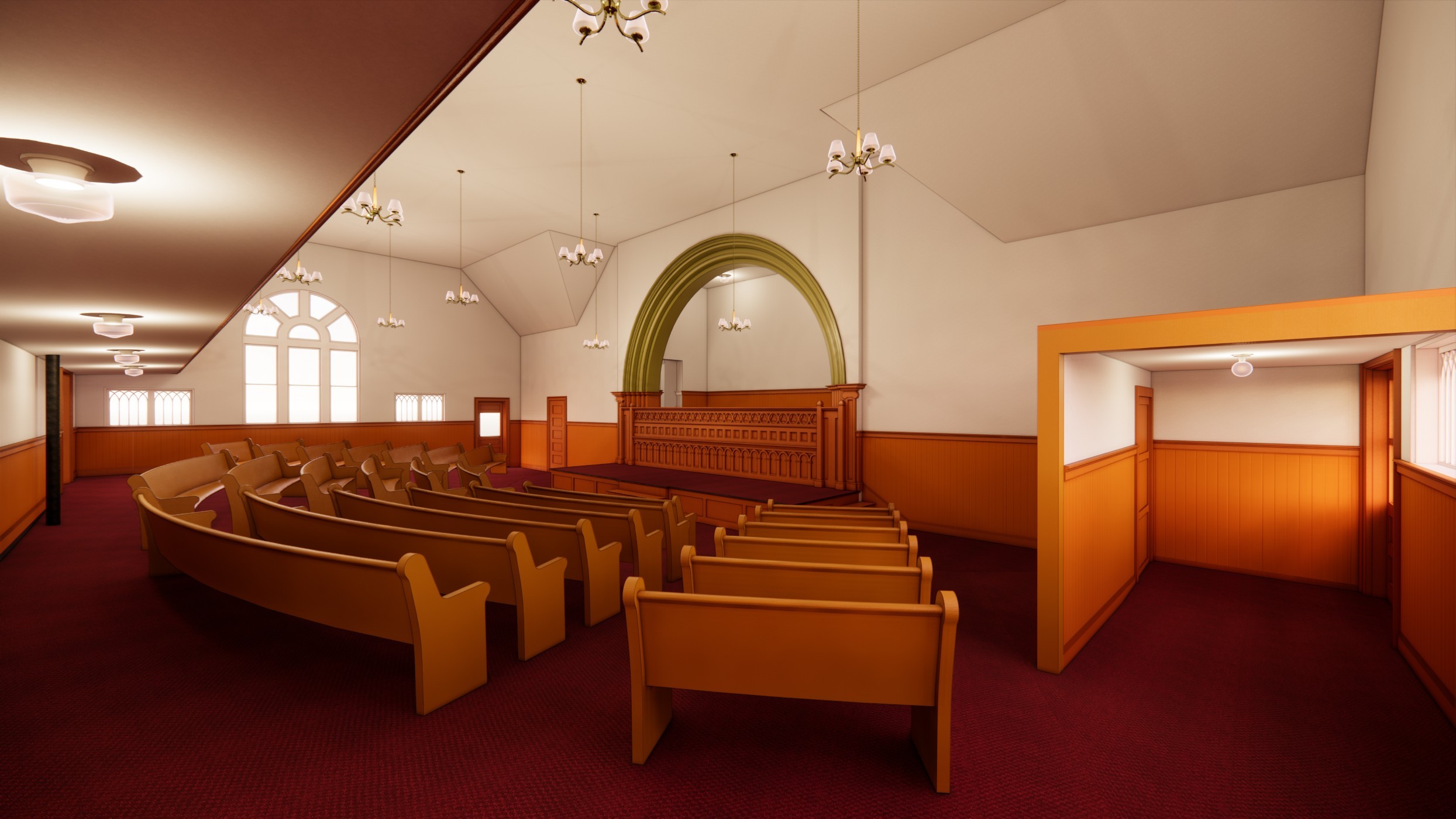
The oldest building on Wilshire Boulevard, the Wadsworth Chapel has stood closed since the 1971 Sylmar earthquake damaged its late-Victorian structure. Built in 1900 as the spiritual center of the National Home for Disabled Volunteer Soldiers, the chapel is listed on the National Register of Historic Places and houses two separate sanctuaries, Protestant and Catholic, under one roof. As part of a multidisciplinary restoration effort led by KFA, RC Monkeys partnered with ARC to deliver terrestrial laser scanning and an as-built Revit model at ±5/8" accuracy for a 10,000-square-foot building with no existing drawings.
[ SERVICES ]
Laser Scanning
Revit Modeling
[ delivered value ]
Complete as-built baseline where none existed before
LOD 300 for 95% of building components, ±5/8" accuracy
Structural deflection and damage conditions tagged for restoration planning
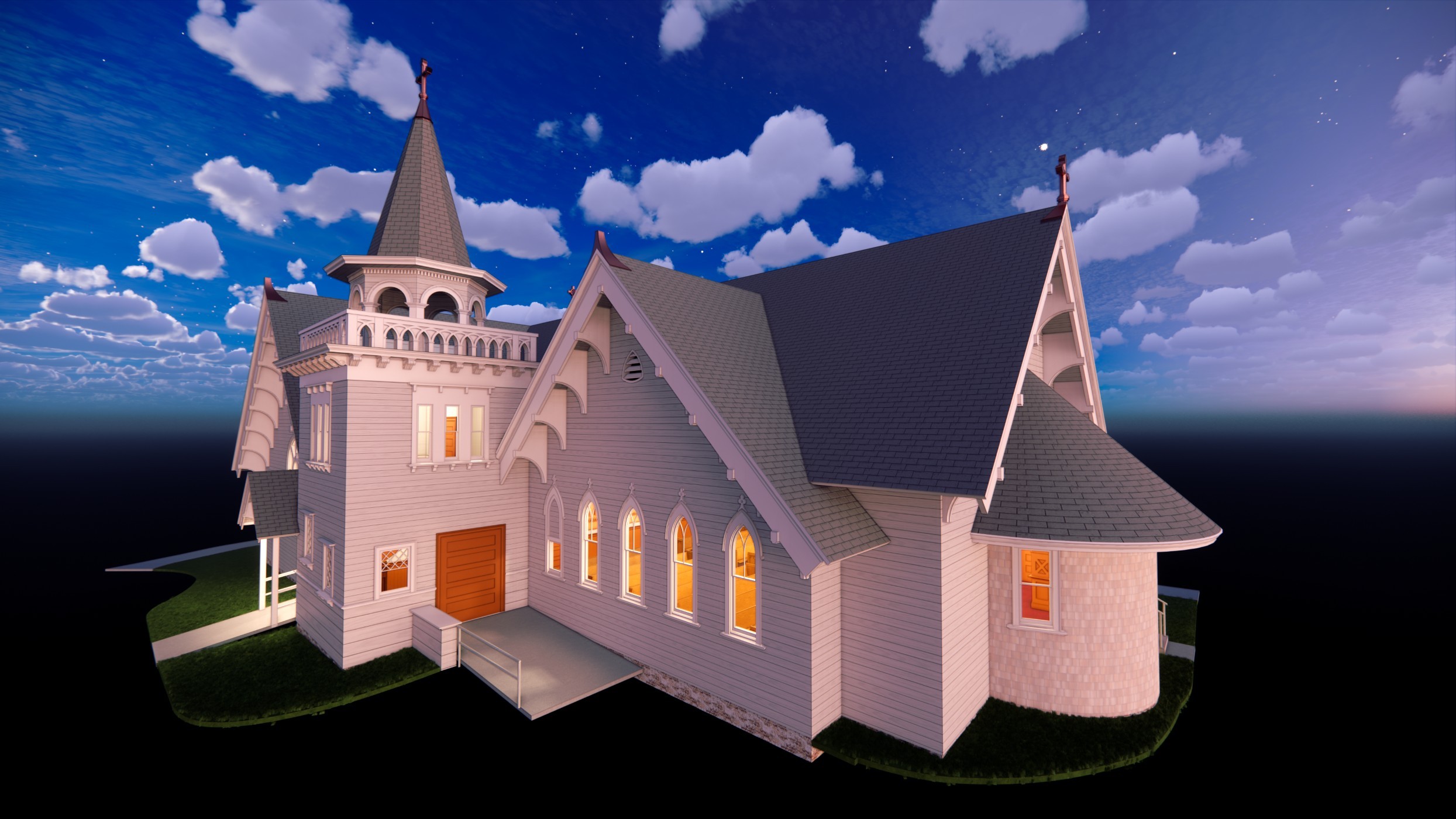
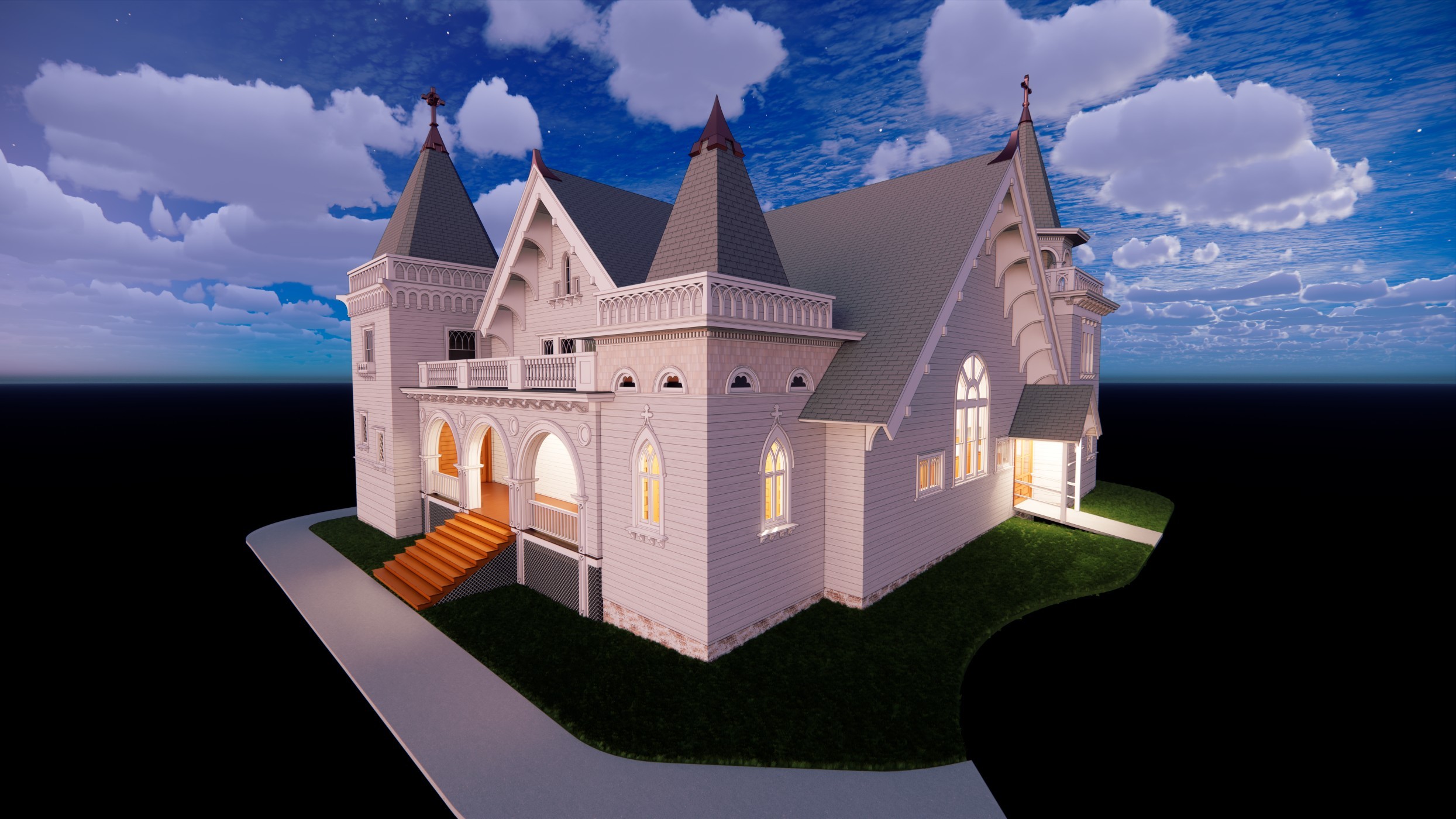
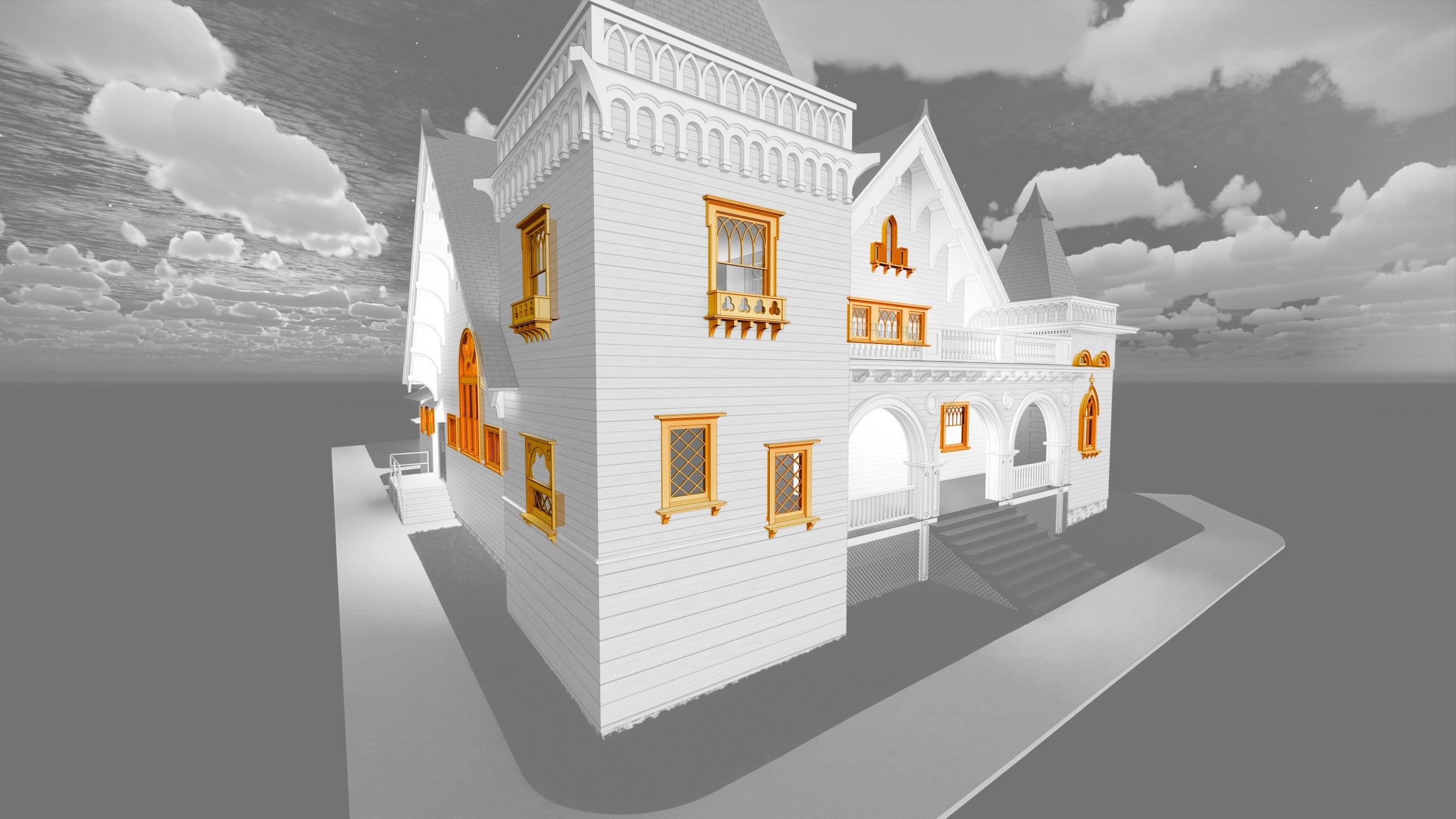
256 custom Revit families capturing 30+ window types and unique architectural details
[ challenge ]
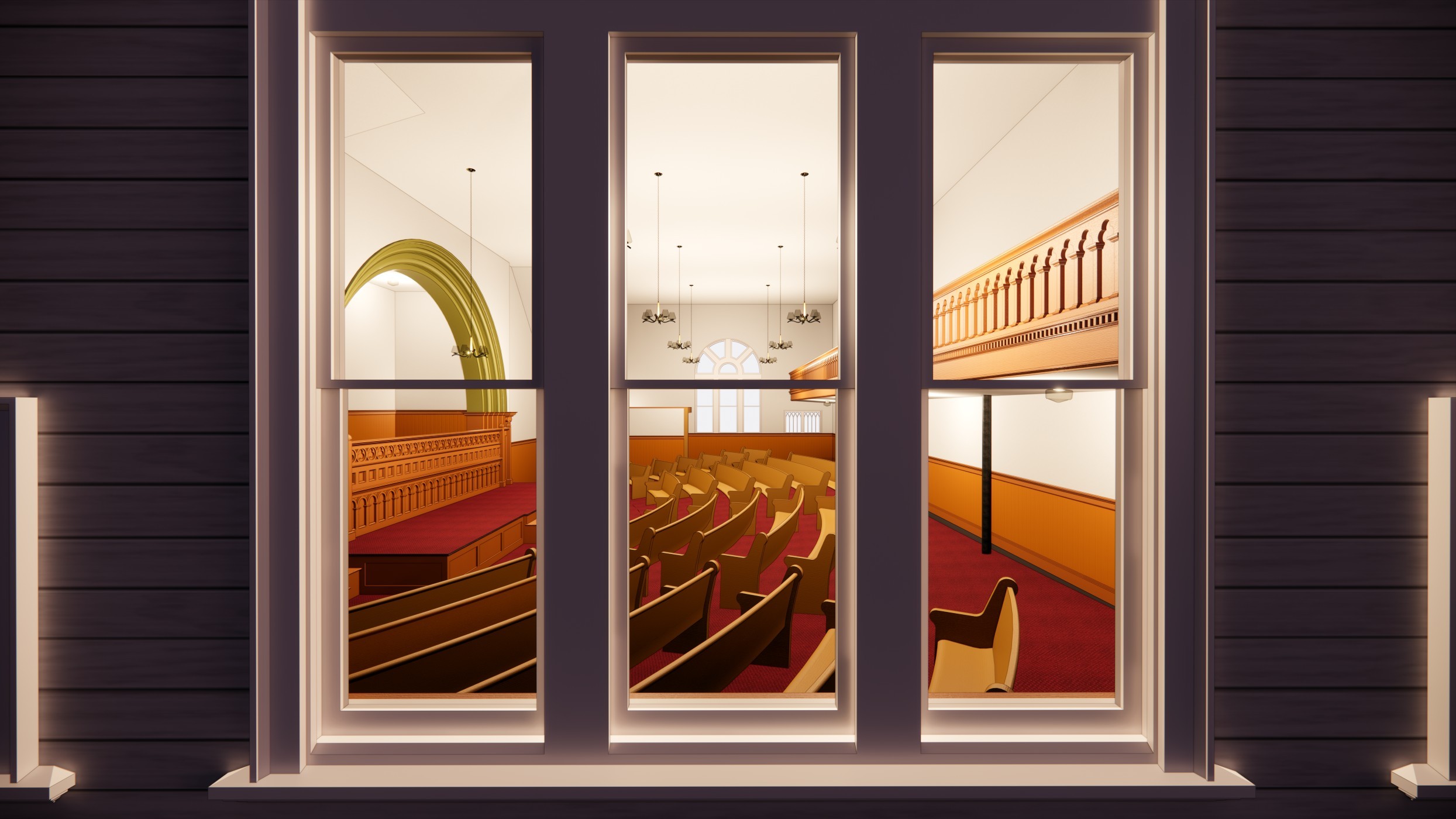
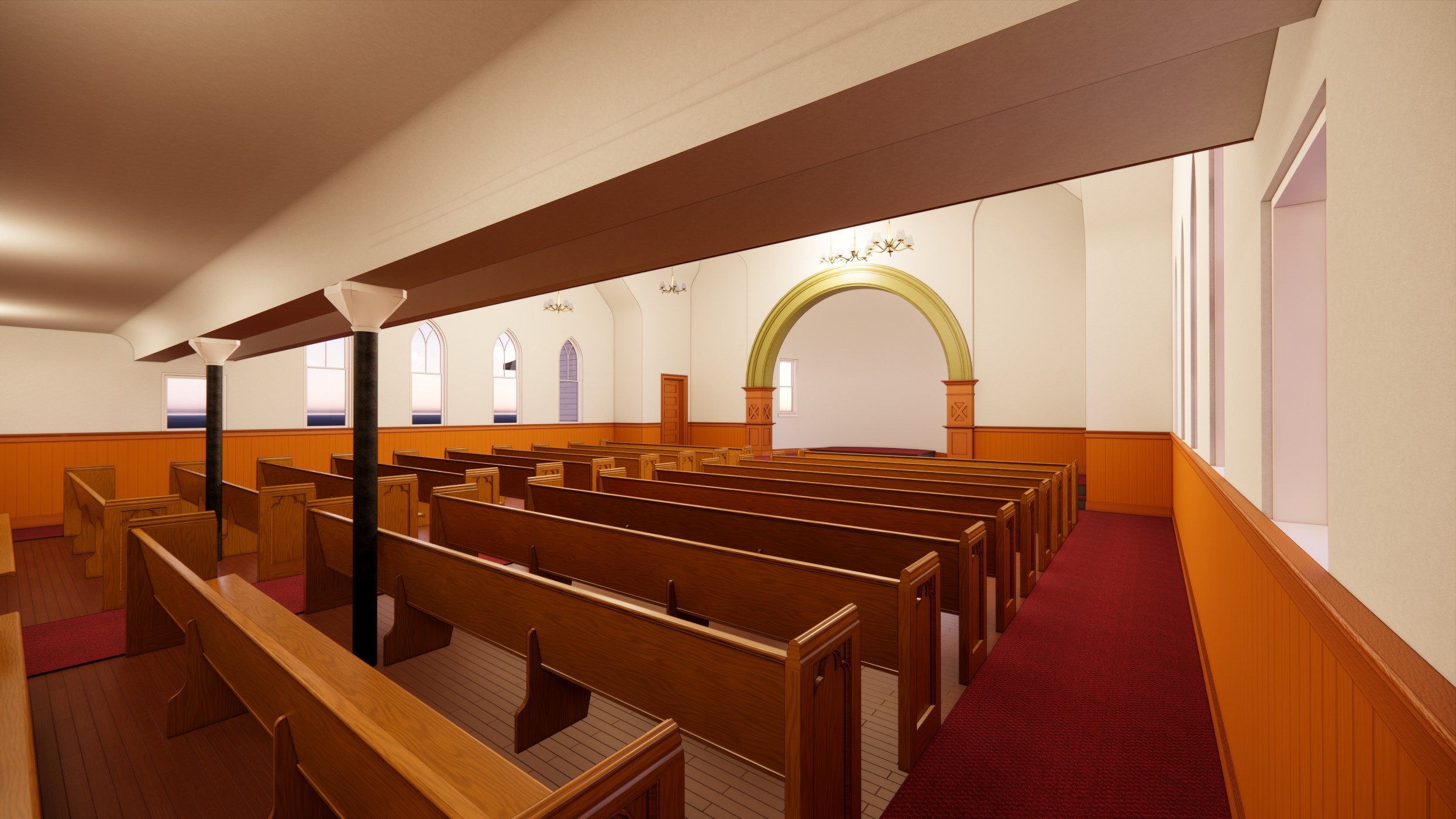
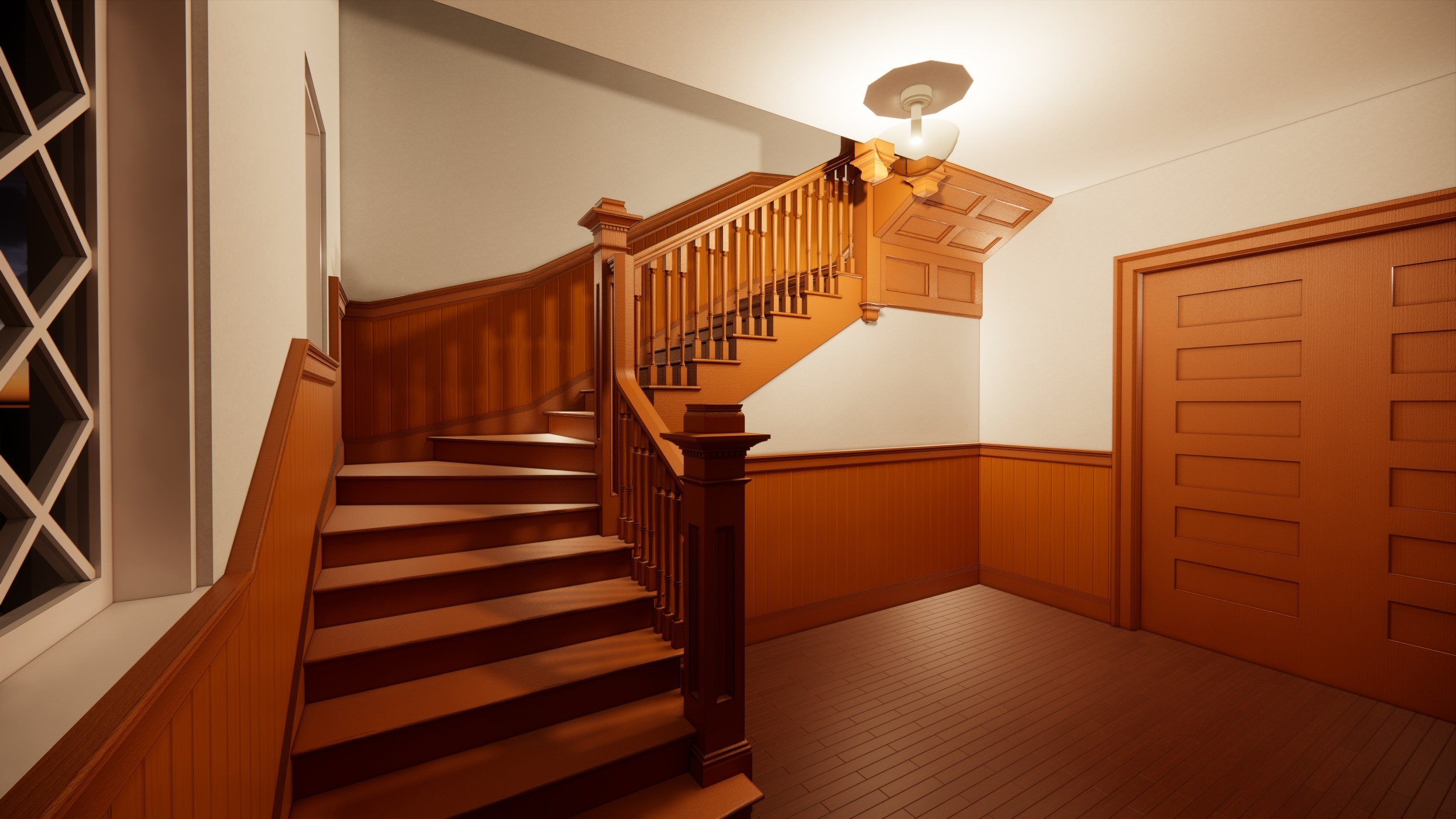
After more than five decades without maintenance, the chapel's condition had deteriorated significantly. There were no record drawings, and the team needed to achieve LOD 300 for most of the building components. Despite its small footprint, the chapel featured numerous unique architectural details, including over 30 distinct window types. The dual-sanctuary layout, each with its own entrance, interior finishes, and architectural character, added further complexity to the modeling scope.
[ SOLUTION ]
Achieving LOD 300 without drawings required the team to build every detail from scan data and field observation alone.
ARC captured the 3D scan data on-site. RC Monkeys registered the scans and developed the as-built Revit model. The building's extensive damage worked in the team's favor. Exposed structural and architectural components behind damaged surfaces allowed ARC’s team to collect detailed field notes that informed the modeling effort where scan data alone could not.
The chapel's architectural complexity required 256 custom Revit families to accurately represent its unique conditions, while adhering to the architect’s BIM standards. The model also included realistic materials to support visualization. Visible structural deflection was documented in the model, and elements that were partially or fully damaged were tagged in the final deliverable so the design team could account for them during restoration planning.
Next